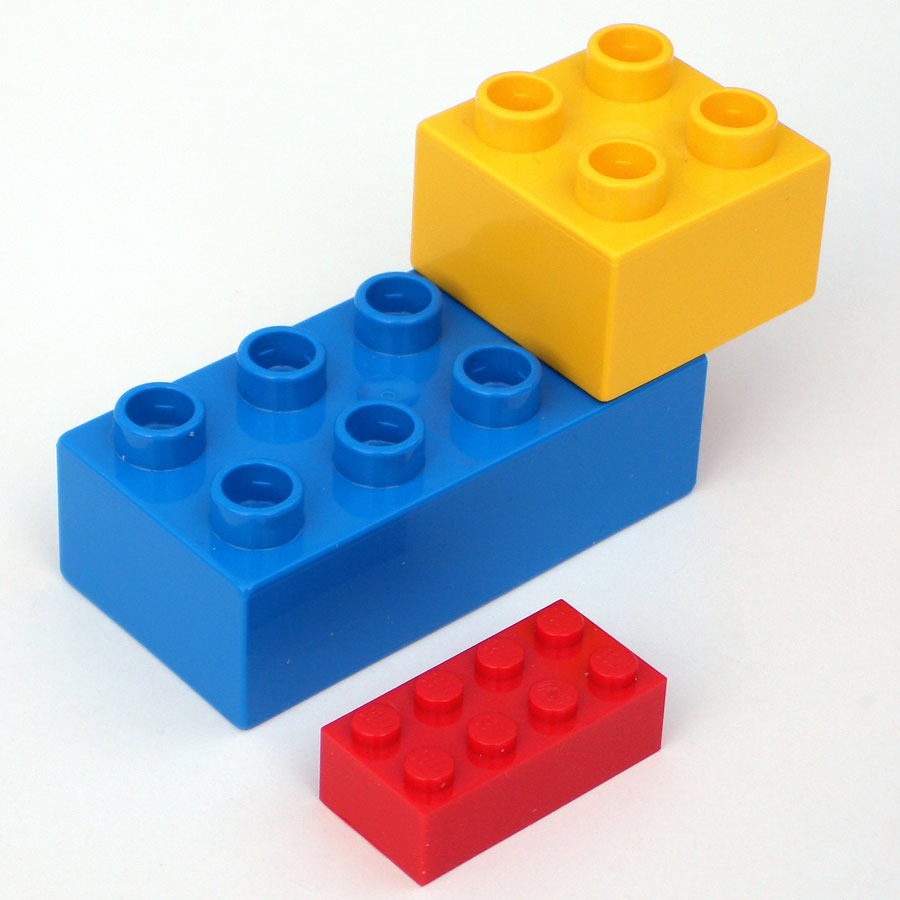
LEGO: The Brick That Became a Global System of Play
A full business analysis and strategic review
LEGO is one of the most remarkable companies in the world.
At first glance, it is a toy company. It makes plastic bricks, sells construction sets and competes for children’s attention in a market crowded with dolls, action figures, games, screens, collectibles, apps, films, consoles and online entertainment. But that description is too narrow. LEGO is not simply a toy manufacturer. It is a design system, a learning platform, a licensing machine, a retail experience, an adult hobby brand, a media partner, a digital play ecosystem, a family-owned global business and one of the most trusted brands in modern consumer goods.
Its strength lies in a deceptively simple idea: small plastic elements that connect, disconnect and recombine endlessly. The LEGO brick is not only a product. It is a grammar. It allows children and adults to build objects, worlds, stories, machines, cities, vehicles, animals, fantasy landscapes, architecture, robots and memories.
That is why LEGO has lasted. Many toys entertain for a season. LEGO invites repeated use. A set can be built, displayed, dismantled, mixed, rebuilt and passed down. A brick made decades ago can still connect with a brick made today. That compatibility is not a technical detail. It is the foundation of the business.
Yet LEGO’s success was never inevitable. The company almost collapsed in the early 2000s after years of over-expansion, product complexity and strategic drift. It lost sight of what made it special. It built theme parks, clothing, video games, watches, media products and experimental concepts without enough financial discipline. It created too many pieces, too many themes and too much organisational complexity. By 2003 and 2004, the company was in serious trouble.
Its recovery is now one of the classic modern turnaround stories. LEGO refocused on the brick, simplified its operations, listened to fans, used licences more intelligently, improved design discipline, reduced complexity, rebuilt profitability and then expanded again, but this time from a much stronger core.
Today, LEGO is in a position of extraordinary strength. It has delivered record results, grown faster than the wider toy market, invested heavily in manufacturing capacity, expanded its portfolio for children and adults, deepened its partnerships with entertainment brands, developed LEGO Fortnite and other digital play experiences, acquired LEGO Discovery Centres, and increased the proportion of renewable and recycled content in the materials it buys to make bricks.
The central strategic question is therefore not whether LEGO is successful. It clearly is. The more important question is whether LEGO can remain relevant in a world where children are pulled towards screens, adults are buying toys for themselves, sustainability pressure is rising, manufacturing costs are increasing, and entertainment franchises compete for attention across every device and platform.
The likely answer is yes.
LEGO has one of the strongest business models in consumer goods. But its future success depends on remembering the lesson of its near-collapse: growth is dangerous if it moves too far away from the core.
1. Origins: a carpenter, a workshop and the discipline of quality
The LEGO Group was founded in Billund, Denmark, in 1932 by Ole Kirk Kristiansen. It began not as a plastic toy company, but as a small carpenter’s workshop making wooden products. The early business was shaped by hardship, practicality and craftsmanship. Denmark, like much of Europe, was living through the economic difficulties of the 1930s, and Ole Kirk had to find products people would still buy.
Toys gradually became central. Wooden ducks, pull-along animals, vehicles and simple playthings reflected a philosophy that would later define the business: children deserved good products, not cheap scraps. The company’s famous motto, “Only the best is good enough”, came from this early culture of craftsmanship and quality.
That motto matters. LEGO’s later success depends on physical precision. A LEGO brick must grip, but not too tightly. It must come apart, but not too easily. It must hold its colour. It must survive thousands of connections. It must work with pieces from previous generations. A child does not think about injection moulding tolerances, but the entire experience depends on them.
The name LEGO is derived from the Danish words “leg godt”, meaning “play well”. It is a simple name, but a powerful one. It does not describe a toy. It describes a purpose.
Recap
LEGO began as a small Danish family business rooted in craftsmanship. The company’s later global success was built on a culture of quality established long before the plastic brick became famous.
2. From wood to plastic: the brave technological shift
One of LEGO’s most important strategic decisions was to invest in plastic.
After the Second World War, plastics were still viewed with suspicion by many consumers and manufacturers. Wooden toys felt traditional, warm and durable. Plastic could seem cheap, artificial and risky. Yet Ole Kirk and later his son Godtfred Kirk Christiansen saw potential in new manufacturing technology.
LEGO bought plastic injection moulding equipment and began experimenting with plastic toys. This was a bold move for a small family business. It required capital, technical learning and a willingness to move beyond traditional woodworking.
The early plastic bricks were not yet the perfected LEGO brick. They were influenced by existing building block concepts and initially lacked the clutch power that would later make the system reliable. But the direction was correct. Plastic allowed precision, repeatability, colour, scale and modularity.
The breakthrough came in 1958 with the stud-and-tube principle. This design gave LEGO bricks their distinctive connection strength. Bricks could lock together firmly but still be separated. They could support vertical and horizontal building. They could be reused and combined in almost limitless ways.
This was the moment the LEGO brick as we know it was born.
The genius was not the brick shape alone. It was the system. A LEGO brick was not a single toy. It was a component in a larger language of construction.
Recap
LEGO’s great early strategic leap was technological. By moving from wood to precision-moulded plastic, the company created a product that could scale globally while retaining quality and compatibility.
3. The System of Play: LEGO’s real invention
The most important idea in LEGO’s history is not the brick. It is the System of Play.
A single LEGO brick is simple. A system of compatible bricks is powerful. Every new set increases the value of the bricks a child already owns. A spaceship can become a house. A castle wall can become a robot. A car can become part of a city. Parts from different years, themes and generations can be combined.
This creates a rare kind of customer lock-in, but not in a cynical way. It is not like a subscription that traps the customer. It is a creative accumulation. The more LEGO a household owns, the more useful future LEGO becomes.
This gives the company a major strategic advantage:
A LEGO purchase is not isolated.
Every set adds to a larger personal inventory.
The product encourages repeat buying.
Old products remain compatible with new ones.
Children can inherit bricks from parents.
Adult fans can collect, build and display.
The brand becomes part of family memory.
Many toy companies depend on novelty. LEGO depends on both novelty and continuity. New themes provide excitement, but the underlying system remains familiar.
This is why LEGO has endured. It is both new and old at the same time.
4. Product expansion: from bricks to worlds
LEGO’s growth came from expanding the possibilities of the system.
The company moved from basic bricks into wheels, windows, roof tiles, baseplates, minifigures, trains, castles, space sets, pirates, towns, Technic, DUPLO, Mindstorms, architecture, licensed themes, adult display models and digital play.
Each expansion added new ways to use the system.
DUPLO allowed younger children to enter the brand safely with larger bricks.
Technic added mechanical complexity, gears, axles and engineering functions.
The minifigure, introduced in the late 1970s, changed everything. It gave LEGO worlds characters. A house was no longer just a house. It had people. A spaceship had pilots. A castle had knights. A police station had officers. A city had life.
Themes such as Space, Castle and Pirates helped children build stories. LEGO was no longer just construction. It was narrative construction.
This was commercially powerful because it expanded the reasons to buy. A child might want LEGO because they liked vehicles, knights, astronauts, houses, animals, superheroes, robots, films or games. The system could absorb all of those interests.
LEGO’s product expansion worked best when it respected three principles:
The model should be fun to build.
The finished object should invite play or display.
The parts should remain useful beyond the set.
When LEGO followed those principles, expansion strengthened the system. When it ignored them, expansion became dangerous.
That distinction would later define the company’s near-collapse.
5. Family ownership: patient capital and long-term stewardship
LEGO remains family-owned. The LEGO Group is owned by KIRKBI A/S and the LEGO Foundation. KIRKBI is the Kirk Kristiansen family’s holding and investment company, while the LEGO Foundation supports learning through play.
This ownership structure is one of LEGO’s great advantages.
A listed toy company may feel pressure to maximise quarterly earnings, cut investment or chase short-term trends. LEGO can take a longer view. It can invest heavily in new factories, sustainability, education, brand experiences and product quality without needing to satisfy public markets every quarter.
Family ownership also protects the brand from reckless financial engineering. LEGO is not just an asset to be traded. It is a legacy. That can encourage stewardship, quality and patience.
However, family ownership is not automatically good. The early 2000s crisis showed that even family-owned companies can lose discipline. Heritage can create emotional attachment to projects that are not working. Family control can delay difficult decisions if leadership lacks challenge.
The strength of LEGO’s ownership model today is that it combines family stewardship with professional management. The family protects the purpose. Professional leaders run the business.
That balance is one of the company’s most important strategic assets.
6. LEGOLAND and experiences: brand theatre with financial risk
LEGOLAND began as a natural extension of the brand. The first LEGOLAND park opened in Billund in 1968. It allowed families to step inside the LEGO world, see large-scale models, experience themed rides and connect the physical brick with a real place.
Brand experiences can be powerful. They deepen emotional connection, create family memories and turn a toy into a destination. For LEGO, LEGOLAND made sense because the brand already involved worlds, imagination and miniature environments.
But theme parks are a very different business from toys.
They require land, infrastructure, rides, catering, hotels, safety systems, local employment, weather exposure, capital expenditure and operational expertise. They are difficult, cyclical and expensive.
During LEGO’s financial crisis, the company sold the LEGOLAND parks to Merlin Entertainments in 2005. That was a painful but sensible decision. LEGO needed cash and focus. The parks supported the brand, but they were not the core business.
This was one of the key lessons of the turnaround: a brand extension can be strategically logical and still be financially distracting.
More recently, LEGO has moved again towards stronger control of branded experiences, including LEGO Discovery Centres and LEGOLAND Discovery Centres. The difference is that LEGO is now much stronger, more disciplined and better able to integrate physical experiences with retail, brand building and family entertainment.
Recap
LEGOLAND shows both the power and danger of brand extension. Experiences can strengthen the brand, but only if the company has the operational and financial capacity to manage them properly.
7. Licensing: from risk to growth engine
For much of LEGO’s early history, the company preferred original themes. LEGO Space, Castle, Town and Pirates were not based on films. They came from within the system.
That changed significantly with licensed themes, most famously LEGO Star Wars in 1999. This was a strategic turning point.
Licensing brought immediate benefits. It allowed LEGO to connect with existing fan communities. Star Wars, Harry Potter, Marvel, DC, Disney, Minecraft, Super Mario, Jurassic Park, Formula 1 and other partnerships brought characters, stories and worlds that customers already loved.
Licensing also helped LEGO reach adults. A child might want a spaceship because it is fun. An adult might buy the Millennium Falcon because it connects to nostalgia, cinema, design and display.
But licensing carries risks.
Royalties reduce margin.
The company becomes exposed to partner brands.
Some licences may fade.
Too many licensed sets can weaken original creativity.
The brand can become dependent on external intellectual property.
LEGO has managed this balance better than many companies. It uses licences to expand demand, but still keeps strong original themes such as City, Friends, Technic, NINJAGO, Creator, Icons, Botanicals and Architecture. The best LEGO strategy is not licensed versus original. It is a balanced portfolio.
Star Wars may bring collectors and film fans. City brings everyday play. Technic brings engineering. Friends brings social storytelling and lifestyle play. Botanicals brings adults and display. DUPLO brings younger children. Minecraft and Fortnite connect physical and digital play.
Licensing works when it strengthens the LEGO system. It becomes dangerous if LEGO becomes merely a plastic version of other people’s stories.
8. The adult fan revolution
One of LEGO’s greatest modern strategic successes has been the embrace of adult fans.
For decades, LEGO was primarily marketed as a children’s toy. Adults bought it for children. But adults also built, collected and displayed LEGO. They formed communities, built complex models, attended conventions and shared designs online. These adult fans of LEGO, often called AFOLs, became increasingly important.
The company eventually recognised that adults were not an accidental audience. They were a growth market.
Adult sets changed the economics of LEGO. They are often larger, more expensive, more complex and more display-oriented. They include architecture, vehicles, Star Wars collector sets, flowers, art, icons, film and gaming franchises, sports cars, landmarks, musical instruments and nostalgic products.
This was strategically brilliant because it solved several problems at once.
It expanded the customer base beyond children.
It gave LEGO access to higher-priced products.
It linked the brand to mindfulness and relaxation.
It used nostalgia without being trapped by it.
It turned building into a hobby, not just child’s play.
It helped families share LEGO across generations.
The LEGO Botanicals range is especially interesting. It brought in new adult builders, including people who may not have seen themselves as traditional LEGO fans. Flowers, succulents and decorative sets made LEGO acceptable as home display and creative relaxation.
This is one reason LEGO has grown so strongly. It is no longer dependent only on parents buying toys for children. It now sells to children, teenagers, parents, collectors, film fans, gamers, engineers, design enthusiasts, hobbyists and adults seeking screen-free relaxation.
Recap
The adult market has transformed LEGO. The company is no longer just competing for children’s toy budgets. It is competing in hobbies, collecting, design, entertainment and wellbeing.
9. Digital play: the difficult but necessary frontier
LEGO has always faced a digital challenge. Children increasingly spend time with screens, games, tablets, social media and online worlds. A physical brick company must decide whether screens are the enemy, a partner, or a new form of play.
LEGO has tried many approaches.
Some worked brilliantly. LEGO video games, especially through TT Games, turned major film franchises into family-friendly, humorous, cooperative digital experiences. LEGO Star Wars, LEGO Batman, LEGO Harry Potter, LEGO Marvel and other titles helped expand the brand into gaming while retaining LEGO humour and building logic.
Some attempts were more difficult. LEGO Universe, an online multiplayer world, was ambitious but closed after failing to become commercially sustainable. That failure is important because it shows that LEGO cannot simply enter any digital category and win. Digital play has different economics, safety requirements, moderation demands, technical costs and customer expectations.
More recently, LEGO Fortnite has been a significant step. It places LEGO inside one of the world’s most important gaming ecosystems. Instead of trying to force children into a separate LEGO-only digital world, LEGO partnered with Epic Games to create a safe, family-friendly survival crafting experience within Fortnite. That is strategically smarter.
Digital now matters in several ways:
Video games extend LEGO storytelling.
Apps support building and instructions.
Digital platforms connect fans.
LEGO Ideas crowdsources concepts.
Fortnite connects LEGO to younger gamers.
Augmented and interactive play can enhance sets.
Online retail supports direct customer relationships.
The key is balance. LEGO should not become a video game company. Its strength remains physical construction. But digital experiences can support discovery, community, storytelling and relevance.
The future LEGO child may build on the floor, scan a model, play in a digital world, share a build online, watch a LEGO show and visit a LEGO store. The company must connect these experiences without letting the screen replace the brick.
10. LEGO Education and learning through play
LEGO’s educational role is one of its most important strategic and social assets.
The company formally established an educational division in 1980, building on the idea that LEGO was not only for play but for learning. LEGO Education later developed classroom products, robotics kits, coding tools and STEAM-focused learning experiences.
Mindstorms, developed with links to educational computing and robotics thinking, became one of the most influential educational toy platforms of the late twentieth and early twenty-first centuries. It allowed children, students and hobbyists to build and programme robots, combining physical construction with logic, sensors and code.
This matters because LEGO sits in a rare space between toy and tool. It can support creativity, problem solving, spatial reasoning, collaboration, engineering thinking, storytelling and design.
The LEGO Foundation extends this further by supporting learning through play. This gives the LEGO ecosystem a social purpose beyond selling sets. It also strengthens brand legitimacy. Parents and schools are more willing to support a toy brand if they believe it contributes to learning and development.
However, the education market is not easy. Schools face budget pressures. Educational technology changes quickly. Robotics and coding products face competition from cheaper electronics kits, tablets, software platforms and open-source tools.
LEGO’s opportunity is to remain the trusted bridge between physical creativity and learning. It should not try to be every educational technology. It should focus on where its system is strongest: hands-on learning, collaboration, prototyping and creative problem solving.
11. The near-collapse: how LEGO lost its way
LEGO’s crisis in the early 2000s is one of the most important parts of the company’s history because it reveals the danger of success.
By the late 1990s and early 2000s, LEGO had become ambitious, but unfocused. It expanded into theme parks, clothing, watches, media, video games, lifestyle products and experimental sets. It also increased the number of specialised pieces dramatically. Designers created more unique elements, colours and complex parts.
The intention was understandable. LEGO wanted to innovate, compete with electronic entertainment, appeal to modern children and expand beyond traditional bricks. But the company lost control of complexity.
The problems included:
Too many products.
Too many unique elements.
Weak control of profitability by set.
High manufacturing complexity.
Unprofitable brand extensions.
Poor understanding of which products actually made money.
Retailer and inventory issues.
Distraction from the core brick system.
Rising competition from screens and other toys.
A company can innovate itself into trouble. That is what happened.
By 2003 and 2004, LEGO was in serious financial distress. The business had to confront the possibility that one of the world’s best-known toy brands could fail.
This is the point at which Jørgen Vig Knudstorp became central to the turnaround. He and the leadership team refocused the company on the core. LEGO cut complexity, sold non-core assets, improved cash control, listened to customers and fans, tightened design discipline and rebuilt the business around profitable play experiences.
The crisis created one of the clearest management lessons in modern business:
LEGO nearly failed because it stopped thinking like LEGO.
Recap
LEGO’s near-collapse was not caused by lack of creativity. It was caused by too much unfocused creativity without commercial discipline.
12. The turnaround: back to the brick
The LEGO turnaround was successful because it did not simply cut costs. It rediscovered the company’s strategic centre.
The recovery focused on several principles.
First, simplify. The company reduced unnecessary complexity in elements, colours and product lines.
Second, understand profitability. Sets needed to be not only fun, but financially viable.
Third, listen to fans and customers. LEGO learned that children and adult fans valued the core system more than management had realised.
Fourth, use licences carefully. Star Wars and other partnerships could drive growth, but needed to work within LEGO’s system.
Fifth, sell or reduce non-core distractions. The LEGOLAND sale was part of this discipline.
Sixth, rebuild operational control. Supply chain, manufacturing and product development needed discipline.
Seventh, maintain creativity, but within constraints. Constraints became a source of better design, not a limitation.
This is an important point for business leaders. The turnaround did not mean becoming boring. It meant making creativity productive again.
LEGO’s later success with movies, adult sets, digital games, retail stores and partnerships came after it had rebuilt the core. It expanded again, but with more discipline.
That is why the turnaround worked.
13. The LEGO Movie: branded content that understood the brand
The LEGO Movie, released in 2014, was one of the most successful examples of branded entertainment ever produced.
It could easily have been a shallow advertisement. Instead, it became a genuinely funny, self-aware and emotionally effective film about creativity, conformity, imagination and the tension between following instructions and building freely.
This mattered because it understood the brand’s central paradox.
LEGO sells instructions, but it also sells freedom.
A set tells you what to build, but the system lets you build something else.
Parents may see neat models. Children may see explosions, mashups and stories.
Adult collectors may display. Children may dismantle.
The film captured that tension perfectly.
Commercially, it helped LEGO reach new audiences, strengthen the brand and demonstrate that LEGO could become entertainment without losing the brick. The film also showed why the company should be careful with media. LEGO works best on screen when the story reinforces the physical play system, not when it merely uses LEGO imagery as decoration.
The move from Warner Bros. to a Universal film partnership later reflected the continuing importance of entertainment to the brand. But the lesson remains: LEGO entertainment must serve LEGO play.
14. Retail stores and direct customer experience
LEGO has invested heavily in its own stores and online retail. This is strategically important because the company historically relied heavily on third-party toy retailers, department stores and online marketplaces.
Owning more of the customer experience brings several benefits.
LEGO stores are not just shops. They are brand theatres. They allow customers to see large models, build minifigures, pick bricks, attend events, discover exclusives and feel immersed in the brand.
LEGO.com gives the company direct data, direct sales, loyalty through LEGO Insiders, early access, exclusive products and higher control over presentation.
This is not about abandoning retail partners. Large retailers remain important, particularly for reach and volume. But direct retail gives LEGO more control over brand, pricing, product launches and customer relationships.
The recent acquisition of LEGO Discovery Centres further strengthens the experience side of the business. It gives LEGO more hands-on touchpoints and family destinations without necessarily returning fully to the old theme-park ownership model that once strained the company.
The strategic point is clear: LEGO is no longer only a manufacturer shipping boxes to retailers. It is a consumer experience company.
15. Current financial position: a company in exceptional health
LEGO’s current financial performance is extremely strong.
The LEGO Group reported record results for 2025, with revenue rising to DKK 83.5 billion, operating profit increasing to DKK 22.0 billion and net profit rising to DKK 16.7 billion. Consumer sales grew faster than the overall toy market, and the company gained market share.
Several points matter strategically.
First, LEGO is growing from a large base. It is easier for a small challenger to grow quickly. LEGO is already one of the largest toy companies in the world, so double-digit growth is impressive.
Second, growth is broad. The company reported demand across all market groups, with particular strength in Western Europe, the Americas and CEEMEA.
Third, the portfolio is extensive. LEGO launched more than 860 products in 2025, around half of them new.
Fourth, adults and children are both important. LEGO is no longer dependent on one age group.
Fifth, the company is investing heavily. It is building factories, expanding supply chains, investing in sustainability and developing digital technology.
Sixth, profitability remains strong despite investment. That is the mark of a powerful business model.
LEGO’s financial position is therefore very different from the early 2000s crisis. It has scale, margin, cash flow, brand strength and strategic discipline.
But success brings risk. A company this strong may be tempted to over-expand again. The lesson of 2003 should remain visible in every boardroom discussion.
16. Supply chain and manufacturing: precision at global scale
LEGO’s business depends on manufacturing excellence.
A LEGO brick is small, but the scale is enormous. Millions of elements must be produced to tight tolerances, in consistent colours, with reliable clutch power and safe materials. The supply chain must manage resin, moulds, packaging, instructions, set assembly, distribution and retail allocation across more than 120 countries.
LEGO’s current strategy includes expanding manufacturing capacity close to major markets. The company has opened a major factory and regional distribution centre in Vietnam, is progressing with a factory and distribution centre in Virginia, and continues to expand existing factories in Hungary, Mexico and China.
This matters for several reasons.
It reduces supply chain risk.
It brings production closer to customers.
It supports growth in Asia and the Americas.
It reduces transport complexity.
It improves resilience against tariffs and disruption.
It helps manage demand spikes around major launches.
Manufacturing is not a background function for LEGO. It is part of the brand promise. If quality falls, the brand weakens. If availability fails, customers are disappointed. If costs rise too sharply, pricing becomes harder. If sustainability targets are missed, reputational pressure increases.
The company’s manufacturing discipline is one of its great hidden strengths.
17. Sustainability: the plastic problem
LEGO faces a difficult sustainability challenge.
Its core product is made largely from plastic. The durability of LEGO is part of its sustainability case because bricks last for decades and can be passed down, reused and resold. But the material base still creates environmental pressure. Consumers, regulators and children themselves increasingly expect companies to reduce fossil-based inputs, emissions and plastic waste.
LEGO has committed to increasing renewable and recycled materials and has invested heavily in sustainability initiatives. It has tested many alternative materials, including recycled PET, but found that some alternatives did not meet quality or emissions requirements. This is an important point. Sustainability is not simple when the product requires precision, durability, safety and compatibility.
If LEGO changed material too quickly and the bricks no longer worked properly, it would damage the brand. If it moves too slowly, it faces criticism.
The company’s approach now includes renewable and recycled sources, mass balance materials, bio-based materials for certain elements, recycled content in transparent elements and paper-based packaging.
This is strategically necessary, but it will be expensive. LEGO has the financial strength to invest, and it has said it does not want to pass all higher costs directly to customers. That is easier for LEGO than for weaker competitors because it has strong margins and brand power.
The future challenge is credibility. Consumers will increasingly ask whether sustainability claims are meaningful, measurable and understandable. Mass balance approaches can be technically legitimate but difficult for consumers to grasp. LEGO will need to communicate clearly.
Recap
LEGO’s sustainability challenge is unusually complex because the very thing that makes LEGO valuable, durable precision plastic, is also the source of environmental pressure.
18. Market positioning: where LEGO sits today
LEGO’s market position is unique.
It is a toy company, but not just a toy company.
It competes with Mattel, Hasbro, Spin Master, Playmobil, Bandai, Pokémon, Funko, Moose Toys and many others. But it also competes with video games, streaming, smartphones, YouTube, TikTok, books, puzzles, model kits, craft hobbies, collectibles, adult hobbies, education tools and family experiences.
LEGO’s strongest position can be summarised as:
The world’s leading system of creative construction play, spanning children, adults, education, entertainment, collecting and experiences.
A simple positioning map might look like this:
| Brand or company | Core position | Main strength | Main weakness |
|---|---|---|---|
| LEGO | Construction play system | Creativity, quality, compatibility, brand trust | Price and plastic sustainability pressure |
| Mattel | Iconic toy brands | Barbie, Hot Wheels, Fisher-Price | More brand-fragmented |
| Hasbro | Toys and games IP | Monopoly, Transformers, Play-Doh, Dungeons & Dragons | Has had portfolio and execution pressures |
| Playmobil | Imaginative figure-based play | Role-play worlds, European heritage | Weaker global momentum than LEGO |
| Pokémon | Character and trading-card ecosystem | Fan loyalty, media ecosystem | Less open-ended construction |
| Nintendo | Digital and family play | Characters, games, hardware | Not physical construction play |
| Minecraft | Digital building world | Creative digital construction | Screen-based, not tactile |
| Roblox and Fortnite | Digital creation and social play | User-generated worlds, social engagement | Online safety and screen-time concerns |
| IKEA and design kits | Assembly and design culture | Practical build experience | Not toy/play-focused |
| Model kits | Hobbyist construction | Realism, detail | Less accessible and less modular |
LEGO’s advantage is that it crosses boundaries. It is physical and imaginative. It is structured and open-ended. It is for children and adults. It is both toy and hobby. It is both product and platform.
That is rare.
19. Benchmarking LEGO against key competitors
LEGO versus Mattel
Mattel owns some of the strongest toy brands in the world, including Barbie and Hot Wheels. Barbie’s recent film success showed that classic toy brands can be revived through entertainment. But Mattel’s portfolio is more character and brand-led. LEGO’s strength is system-led. A Barbie doll is a powerful product and character platform. A LEGO set is part of an expandable construction universe.
LEGO versus Hasbro
Hasbro owns major games and entertainment-linked brands, including Monopoly, Transformers, Play-Doh, Peppa Pig and Dungeons & Dragons. It has strong intellectual property but has faced challenges around portfolio focus and entertainment strategy. LEGO’s advantage is that its core product system is more coherent. Hasbro’s strength is breadth. LEGO’s strength is unity.
LEGO versus Playmobil
Playmobil is perhaps the closest European analogue in imaginative physical play. It creates worlds and role-play environments. But Playmobil does not have LEGO’s construction flexibility, adult collector market, licensing scale or global growth momentum.
LEGO versus digital games
Minecraft, Roblox and Fortnite are serious competitors for creative attention. They allow building, social play and imagination in digital spaces. LEGO’s answer is not to reject digital play, but to connect with it. LEGO Minecraft and LEGO Fortnite are examples of this bridge.
LEGO versus cheap construction toys
Cheaper brick-compatible competitors exist, and some offer lower prices. LEGO’s defence is quality, clutch power, design, brand trust, safety, licensing and ecosystem. But price remains a risk, especially in value-conscious households.
LEGO versus adult hobby brands
LEGO now competes with puzzles, model kits, Warhammer, craft kits, jigsaws, books, home decor, plants and collectibles. This is a favourable market because adults spend more per purchase, but expectations are higher.
Benchmarking conclusion
LEGO’s advantage is not that it has no competitors. It is that no competitor matches the breadth and coherence of its system.
20. PESTLE analysis
Political and regulatory
LEGO operates globally and is exposed to trade policy, tariffs, customs rules, product safety standards, chemical regulation, packaging laws, data protection, online child safety and environmental regulation. Its factories and distribution centres across Europe, Asia and the Americas help reduce some geopolitical and supply chain risks.
Economic
LEGO is a premium toy brand. In weak economic conditions, some families may trade down, buy fewer sets or choose cheaper alternatives. However, LEGO also benefits from gift-giving, adult collectors, strong resale value and the perception that it is a quality product worth keeping.
Its strong profitability gives it room to invest through cycles.
Social
Several social trends support LEGO:
Parents value screen-free play.
Adults increasingly buy toys and hobbies for themselves.
Nostalgia drives collecting.
STEM and creativity are valued.
Families seek shared activities.
Home display and mindful building are growing.
However, children’s attention is fragmented. LEGO must work harder to remain part of childhood.
Technological
Technology affects product design, digital play, ecommerce, manufacturing automation, data analytics, robotics, app-enabled play, video games and customer engagement. LEGO’s challenge is to use technology without losing the physical magic of the brick.
Legal
LEGO must protect trademarks, designs, licences and product safety. The expiry of some brick patents means the company cannot rely on basic legal protection alone. Brand, quality and design are now more important than patents.
Environmental
Sustainability is one of the biggest long-term issues. LEGO must reduce fossil-based inputs, packaging waste and emissions while maintaining product quality. It also needs to make sustainability understandable to parents and children.
PESTLE conclusion
LEGO benefits from strong social trends around creativity and adult hobbies, but faces growing pressure around sustainability, digital safety, price and global operations.
21. SWOT analysis
Strengths
LEGO’s strengths are exceptional:
A globally trusted brand.
The System of Play.
High product quality.
Cross-generational appeal.
Strong family ownership.
Powerful licensing partnerships.
Adult fan community.
Strong financial performance.
High margins and cash generation.
Global retail and digital reach.
Educational credibility.
Strong design discipline.
Manufacturing precision.
Its greatest strength is the combination of creativity and compatibility. Every set belongs to a larger universe.
Weaknesses
LEGO’s weaknesses include:
High price perception.
Dependence on plastic.
Complex product portfolio.
Exposure to entertainment licences.
Potential over-reliance on adult collector spending.
Risk of set complexity becoming intimidating.
Need for constant novelty.
High sustainability expectations.
Risk of repeating past over-expansion.
The brand is strong, but it must not become too complicated or too expensive for ordinary families.
Opportunities
Opportunities include:
More adult sets.
Digital-physical play.
LEGO Fortnite and gaming partnerships.
Education and STEM.
Emerging markets.
Direct-to-consumer retail.
Experiential centres.
Sustainable materials leadership.
Girls and under-served builders.
Formula 1 and sports partnerships.
Home decor and design.
AI-assisted building and design tools.
Licensing with carefully selected franchises.
Threats
Threats include:
Screens and digital entertainment.
Cheaper compatible brick brands.
Economic pressure on family budgets.
Sustainability criticism.
Supply chain disruption.
Counterfeiting.
Over-dependence on licences.
Brand dilution.
Adult market fatigue.
Regulatory pressure on children’s digital products.
A major quality failure.
SWOT conclusion
LEGO’s strategic position is outstanding, but not invulnerable. Its future depends on disciplined expansion from the core, not growth for its own sake.
22. Porter’s Five Forces
Competitive rivalry: high
The toy market is highly competitive, and LEGO also competes with digital entertainment and adult hobbies. However, LEGO’s brand and system reduce direct comparability.
Buyer power: moderate
Consumers have many alternatives, but LEGO loyalty is strong. Retailers have influence, but LEGO’s brand strength gives it negotiating power.
Supplier power: moderate
LEGO requires resin, packaging, moulding equipment, logistics and energy. Its scale gives it leverage, but sustainable materials may increase supplier complexity.
Threat of substitutes: high
Children can choose screens, games, other toys, sport or crafts. Adults can choose many hobbies. LEGO must keep making building feel rewarding.
Threat of new entrants: low to moderate
Anyone can make construction toys, but building LEGO-level brand trust, design capability, licences, retail access and manufacturing precision is extremely difficult.
Five Forces conclusion
LEGO operates in a competitive market, but it has a rare moat: the combination of brand, system, quality and emotional trust.
23. BCG-style portfolio review
Core brick and classic themes: cash engine
Themes such as City, Creator, DUPLO and classic building remain essential. They introduce children to the system and maintain the foundation of the brand.
Licensed themes: growth and traffic driver
Star Wars, Harry Potter, Marvel, Disney, Minecraft, Super Mario and Formula 1 bring external fan communities into LEGO. They are powerful but must be balanced with original themes.
Adult sets: star category
Adult sets have become a major growth engine. They support higher price points, display, collecting and mindfulness. Botanicals, Icons, Architecture and premium licensed sets are strategically important.
Technic: engineering and premium bridge
Technic connects LEGO to mechanics, vehicles, engineering and older builders. It is important for credibility beyond simple play.
LEGO Education: mission and specialist platform
Education supports learning, brand legitimacy and institutional use. It is not necessarily the biggest revenue driver, but it strengthens purpose.
Digital games and LEGO Fortnite: strategic frontier
Digital play is essential for relevance. LEGO Fortnite is a major opportunity, but digital economics and safety risks must be managed carefully.
LEGO stores and experiences: brand theatre
Retail stores and Discovery Centres deepen engagement and direct customer relationships. They are valuable if managed with cost discipline.
Portfolio conclusion
LEGO has a strong portfolio because each segment supports the system. The danger is portfolio overload. Every expansion must still feel like LEGO.
24. Ansoff Matrix: growth options
Market penetration
LEGO can sell more to existing customers through better product launches, loyalty programmes, direct retail, seasonal gifting, adult engagement and community building.
Market development
LEGO can grow in emerging markets, especially where middle-class families are expanding and parents value educational play. Growth in Asia, the Americas and CEEMEA remains important.
Product development
Product development opportunities include adult sets, digital-physical play, sustainable materials, new licences, STEM products, home decor, personalisation and interactive building.
Diversification
Diversification should be cautious. Movies, games, experiences and education can work when they reinforce the brick. Clothing, unrelated lifestyle products or unfocused media could repeat past mistakes.
Ansoff conclusion
The best growth path is not diversification away from the brick. It is expanding the meaning of the brick into new ages, cultures, licences, experiences and digital spaces.
25. Pricing analysis: premium, but defensible
LEGO is expensive compared with many toys. That can be a weakness, especially during cost-of-living pressure. Parents may see a large LEGO set as a significant purchase.
But LEGO has several defences.
It is durable.
It is reusable.
It has resale value.
It supports creative play.
It is trusted by parents.
It can be shared across generations.
It offers sets at many price points.
The pricing challenge is to maintain accessibility. If LEGO becomes too focused on large adult collector sets, it risks appearing elitist or unaffordable. The company needs small pocket-money sets, mid-priced children’s sets, birthday gift sets, entry-level ranges and premium collector products.
A healthy LEGO price ladder includes:
Affordable impulse sets.
Core children’s sets.
Mid-range family sets.
Premium licensed sets.
Large adult display sets.
Exclusive collector products.
LEGO’s premium position is defensible if quality remains high and play value is strong. It becomes vulnerable if customers feel they are paying too much for licences, display pieces or overly specialised parts.
26. Value chain analysis
LEGO’s value chain is one of the most sophisticated in the toy industry.
Concept and insight
Themes are developed from child research, fan communities, entertainment partnerships, market trends and design exploration.
Design
Designers must balance accuracy, build experience, playability, part count, cost, stability and visual appeal.
Element management
Every new piece adds cost and complexity. LEGO must control the element library carefully.
Manufacturing
Precision moulding, colour consistency and quality control are essential.
Packaging and instructions
The box, building instructions and staged build experience are part of the product.
Distribution
LEGO must supply global retailers, LEGO stores, LEGO.com and seasonal demand peaks.
Retail and experience
Stores and digital channels deepen customer engagement.
Community feedback
Fans, reviews, social media and LEGO Ideas all inform future products.
Reuse and afterlife
LEGO bricks remain valuable long after first purchase. This is unusual in toys and strengthens the brand.
The key point is that LEGO’s value chain does not end at purchase. The product lives in the home, the community and the secondary market.
27. Mistakes and management lessons
1. Innovation without discipline nearly destroyed the company
LEGO’s early 2000s crisis shows that creativity must be managed. Too many products, parts and side ventures can weaken even a beloved brand.
2. Brand extensions must support the core
LEGOLAND, films, games and digital worlds work when they reinforce LEGO play. They become dangerous when they become separate businesses without enough connection or profitability.
3. Complexity is a hidden cost
Every new element, colour, theme and system increases operational complexity. The customer may never see the cost, but the business feels it.
4. Licences are powerful, but not a substitute for originality
Star Wars and other licences are valuable, but LEGO must keep original themes strong.
5. Adult fans should be respected, not treated as accidental buyers
The adult market has become central. LEGO’s decision to embrace adults was one of its best modern moves.
6. Digital play must be integrated carefully
LEGO Universe showed how difficult digital worlds can be. LEGO Fortnite suggests a more partnership-led and platform-aware approach.
7. Sustainability cannot compromise product quality
A sustainable brick that does not work like a LEGO brick is not a solution. The environmental transition must preserve compatibility and durability.
8. Family ownership works best with professional management
The turnaround required professional discipline, not only family passion.
Recap
LEGO’s mistakes were serious, but they made the company stronger. The core lesson is that LEGO can expand almost anywhere, provided it stays true to the system.
28. Stakeholder analysis
Children
Children remain the heart of LEGO’s mission. They want fun, imagination, storytelling and achievement. The brand must never become so adult-focused that children feel secondary.
Parents
Parents want safe, educational, durable and worthwhile toys. LEGO’s trust with parents is one of its greatest assets.
Adult fans
Adult fans are builders, collectors, reviewers, designers, influencers and community leaders. They can strengthen the brand, but can also criticise quickly when quality or pricing disappoints.
Retailers
Retail partners remain important for volume and reach. LEGO must balance direct sales with retailer relationships.
Licensors
Disney, Warner Bros., Universal, Nintendo, Epic Games, Formula 1 and others are strategic partners. LEGO must manage these relationships carefully.
Employees
LEGO depends on designers, engineers, moulding specialists, retail staff, digital teams and manufacturing employees. Culture and purpose matter.
The Kirk Kristiansen family and foundations
Ownership brings long-term stewardship and philanthropic purpose. It also creates responsibility to protect the brand for future generations.
Regulators
Product safety, sustainability, online child safety and data protection regulators are increasingly important.
Society
LEGO has a broader social role through play, education and child development. Its public trust depends on acting responsibly.
29. Where LEGO might expand
1. Adult building and display
Adult sets will remain a major growth area. Expect more architecture, art, botanicals, vehicles, nostalgia, film, music, sport and design-led products.
2. Digital-physical play
The future will include more experiences that connect physical models with games, apps and online worlds. LEGO Fortnite is likely only the beginning.
3. Education and STEM
LEGO can continue to grow in schools, coding, robotics, engineering and creative learning, especially if products are affordable and teacher-friendly.
4. Emerging markets
LEGO has room to grow in Asia, Latin America, the Middle East and parts of Africa, but affordability and distribution will matter.
5. Experiences and retail
LEGO stores, Discovery Centres, LEGO House and LEGOLAND-related experiences can deepen loyalty and create family memories.
6. Sustainability-led innovation
New materials, packaging and circularity programmes will become more important. LEGO may eventually make sustainability a brand advantage rather than a compliance burden.
7. Personalisation and fan co-creation
LEGO Ideas, custom minifigures, pick-a-brick, digital design tools and AI-assisted building could make LEGO more personal.
8. Sports partnerships
Formula 1 shows how LEGO can reach new audiences through sport. More sports and motorsport partnerships are likely.
9. Girls and under-served builders
LEGO has made progress, but there is still opportunity to broaden who sees LEGO as “for them”, without relying on stereotypes.
30. Future scenarios
Scenario 1: Disciplined global growth
This is the most likely positive scenario. LEGO continues growing faster than the toy market, expands manufacturing, grows adult sets, deepens digital partnerships and maintains strong profitability.
Scenario 2: Adult market becomes the main growth engine
In this scenario, adult sets, display models, collectibles and premium licences become increasingly central. This supports revenue but creates risk if children’s play becomes less prominent.
Scenario 3: Digital integration succeeds
LEGO Fortnite, games, apps and digital building tools create a powerful hybrid ecosystem. Physical sets and digital play reinforce each other.
Scenario 4: Sustainability leadership strengthens the brand
LEGO successfully transitions materials and packaging while maintaining quality. The company becomes a benchmark for sustainable durable toys.
Scenario 5: Complexity returns
This is the key danger. Too many products, licences, digital ventures and experiences create complexity reminiscent of the early 2000s. Growth continues, but margins and focus weaken.
Scenario 6: Price resistance grows
If LEGO becomes too expensive, families may trade down to cheaper alternatives. Adult collectors may remain loyal, but childhood penetration could weaken.
Scenario 7: Digital entertainment captures more children’s attention
If children increasingly prefer online worlds to physical play, LEGO must work harder to keep the brick relevant. Digital partnerships will become essential.
31. Predictions
Prediction 1: LEGO will remain the world’s strongest toy company
Its brand, profitability, system and cross-generational appeal give it a stronger position than most rivals.
Prediction 2: Adult sets will continue to grow
The adult market is now structurally important. LEGO will keep expanding premium display and hobby products.
Prediction 3: LEGO will invest heavily in digital partnerships rather than building everything alone
LEGO Fortnite shows the likely model: partner with major platforms while preserving safety and brand identity.
Prediction 4: Sustainability will become a bigger strategic issue
LEGO will continue moving towards renewable and recycled materials, but the transition will be expensive and technically difficult.
Prediction 5: Licensed themes will remain important, but original themes will be protected
LEGO knows it cannot become only a licence machine. City, Friends, Technic, Creator, Icons, DUPLO and original themes will remain essential.
Prediction 6: Manufacturing capacity will support long-term growth
Vietnam and Virginia are not short-term projects. They show confidence in continued global demand.
Prediction 7: The biggest risk is over-expansion
LEGO’s own history shows the danger. The company must keep asking whether each new project strengthens the system or distracts from it.
32. Strategic recommendations
1. Keep the brick at the centre
Every expansion should answer one question: does this strengthen the LEGO system of play?
2. Protect affordability for children
Premium adult sets are attractive, but LEGO must remain accessible to families and children.
3. Control portfolio complexity
New parts, licences and themes should be managed carefully. Complexity nearly destroyed LEGO once.
4. Use digital as a bridge, not a replacement
Digital experiences should lead children back to building, creativity and physical play.
5. Keep original themes strong
Licences are valuable, but LEGO’s own worlds are essential to long-term independence.
6. Invest in sustainability without compromising quality
The brick must still feel like LEGO. Sustainability should enhance trust, not weaken performance.
7. Deepen adult community without over-serving collectors
Adult fans matter, but the brand must not become too focused on expensive display sets.
8. Use family ownership as a strategic advantage
Patient capital allows LEGO to invest through cycles. That advantage should be protected.
9. Expand experiences carefully
Discovery Centres, stores and attractions can strengthen the brand, but they must not become financially distracting.
10. Keep listening to fans and children
The turnaround proved the value of listening. LEGO should stay close to builders of all ages.
Conclusion: LEGO’s future is built on disciplined imagination
LEGO is one of the greatest examples of a company turning a simple product into a global system.
It began as a small Danish carpenter’s business in 1932. It moved from wooden toys into plastic. It perfected the interlocking brick in 1958. It built a system of play that allowed every new set to connect with every old one. It expanded into minifigures, themes, Technic, DUPLO, education, licensing, adult sets, games, films, stores and experiences.
It also nearly lost everything.
The early 2000s crisis is essential to understanding LEGO. The company did not nearly fail because children stopped liking bricks. It nearly failed because management allowed complexity, diversification and unfocused innovation to pull the business away from its core.
The turnaround worked because LEGO rediscovered what made it special: quality, compatibility, creativity, disciplined design and the System of Play.
Today, LEGO is stronger than ever. It has record revenue, strong profits, global manufacturing investment, powerful partnerships, growing adult demand, digital opportunities and one of the most trusted brands in the world.
The future is promising, but not automatic.
LEGO must keep balancing children and adults, physical and digital, original themes and licences, growth and simplicity, sustainability and quality, premium sets and affordability.
The best version of LEGO’s future is not a toy company chasing every trend. It is a creative system that keeps adapting while remaining recognisably itself.
That is the lesson of LEGO.
The brick is small.
The system is enormous.
And if LEGO keeps remembering that, it is likely to remain one of the world’s most successful, loved and strategically important consumer brands for decades to come.