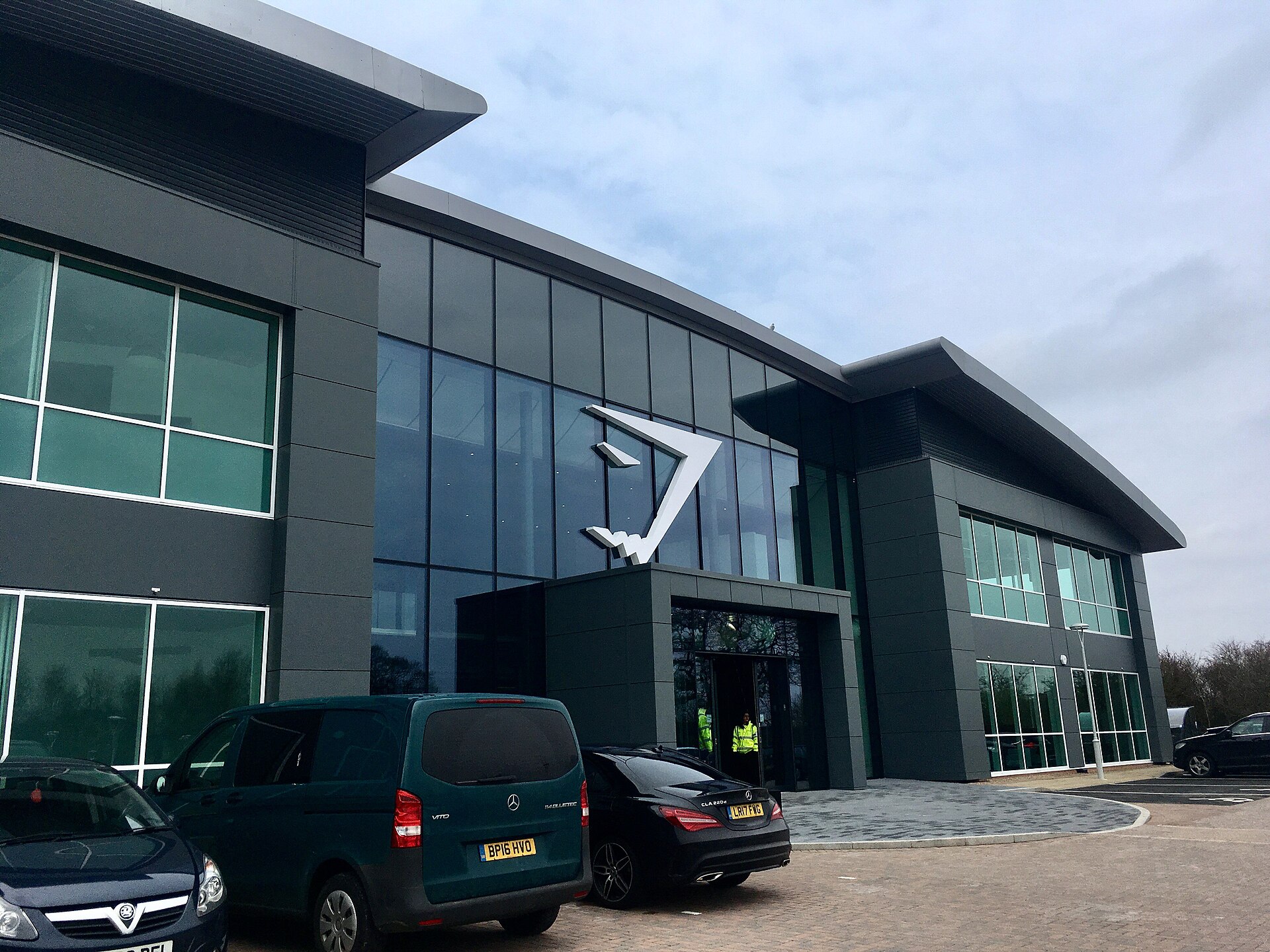
Gymshark: From Bedroom Brand to Global Fitness Challenger
A full business analysis and strategic review
Gymshark is one of the most important British consumer brand stories of the last twenty years.
It began in 2012 with Ben Francis, then a 19-year-old student from the Midlands, selling fitness supplements online and making gym clothing with a sewing machine and screen printer. It grew through bodybuilding culture, social media, influencer partnerships, community events, online drops and a direct-to-consumer model that allowed it to build a global brand without the traditional machinery of retail stores, wholesalers and mass advertising.
By 2020, Gymshark had become a British unicorn, valued at more than £1 billion after selling a 21% stake to US growth equity firm General Atlantic. That deal did not mean Ben Francis sold the business outright. He retained a majority stake, reportedly over 70%, and later returned as chief executive. In 2026, the latest twist is that Francis is reportedly in talks to buy back part of the stake sold to General Atlantic, increasing his control at a time when Gymshark is more mature, more global, more physical, more expensive to run and more strategically complicated.
This makes Gymshark a fascinating case study.
It is no longer just the fast-growing gymwear brand from Solihull. It is now a test of whether a digital-native consumer brand can move from hype to permanence. Can it become the British Nike, as Francis once suggested? Can it compete against Nike, Adidas, Lululemon, Under Armour, Puma, Alo Yoga, Skims, Vuori, Castore, Represent, Adanola, Fabletics and countless fast-fashion activewear brands? Can it keep the authenticity of a gym community while growing through physical stores, international expansion and a broader customer base? Can it improve profitability while still investing in brand, product, retail and global infrastructure?
The answer is likely to be yes, but not easily.
Gymshark’s future will depend on whether it can move from being a social-media success story to being a durable sportswear institution. The brand has real strengths: community, founder identity, digital culture, direct customer relationships, high awareness among younger fitness consumers, strong product-market fit and a global audience. But it also faces serious risks: slowing growth, falling profitability, rising competition, higher retail costs, discount pressure, supply chain complexity, brand fatigue and the difficulty of moving from niche bodybuilding roots into broader activewear without becoming generic.
Gymshark’s challenge is not survival. It is relevance at scale.
1. Origins: a brand built in the gym, not the boardroom
Gymshark was founded in 2012 by Ben Francis and early co-founder Lewis Morgan. The business began while Francis was studying at Aston University, delivering pizzas, training at the gym and experimenting with online business ideas.
The early Gymshark was not a polished sportswear company. It began as a website selling fitness supplements through drop-shipping. That meant Gymshark did not hold stock. When a customer placed an order, a third-party supplier fulfilled it, and Gymshark took a margin.
That first model was commercially modest, but strategically important. It taught Francis the basics of online selling, customer demand, digital presentation and speed. It also revealed a gap. The clothing available to young lifters did not feel right. Much of it was baggy, old-fashioned and designed for a different generation of bodybuilding. Francis and his friends wanted clothing that was fitted, aesthetic, physique-enhancing and aligned with the look of a new social-media fitness culture.
That was the insight.
Gymshark was not invented by a corporate sportswear team trying to identify a market segment. It was created by people who were already inside that segment. They were the customer. They knew what they wanted because they wanted it themselves.
This is one of the reasons the brand grew so quickly. It did not begin with market research. It began with cultural proximity.
Recap
Gymshark’s origin matters because the brand did not start as a fashion label pretending to understand fitness. It started as a fitness community making clothing for itself. That authenticity became its first strategic advantage.
2. From drop-shipping to making its own product
The shift from drop-shipping to making Gymshark’s own clothing was crucial.
At first, the business lacked capital. It could not afford large stock purchases, professional designers or a traditional retail structure. Francis used a sewing machine and screen printer to make early products himself. That gave the business control over fit, style and brand identity. It also created a mythology that later became central to the Gymshark story: the young founder, the parents’ garage, the handmade stringers, the online orders, the gym friends, the sense of movement.
Early Gymshark products were not technically perfect. The company’s own history acknowledges that the first attempts at clothing, especially women’s clothing, were not always right. But the business learned quickly. It listened to the community, watched what lifters wore, understood physique culture, and built products that looked good on bodies shaped by training.
This was not traditional performance sportswear. Nike and Adidas were built around elite athletes, global sport, football, running, basketball and technical performance. Gymshark was built around the mirror, the pump, the gym floor, the online progress photo, the lifter’s identity and the feeling of belonging to a modern fitness movement.
That distinction is central.
Gymshark did not initially need to make the world’s best running shoe or most technically advanced compression garment. It needed to make gym clothing that young lifters wanted to wear, photograph, share and identify with.
That was a different game.
3. BodyPower 2013: the brand moment that changed everything
Gymshark’s breakthrough came at the BodyPower fitness expo at the NEC in Birmingham in 2013.
The company took a stand, brought its early athletes and products, and created the kind of energy that traditional expo stands did not usually have. It was less corporate trade fair and more community gathering. Fans came to meet fitness personalities, see the clothing, feel part of something and participate in the emerging Gymshark identity.
The BodyPower moment was important for three reasons.
First, it proved that Gymshark had a community, not just customers.
Second, it showed that influencer-led fitness culture could drive physical demand.
Third, it gave the brand a conversion moment. Online interest became real-world energy.
The launch of the Luxe Tracksuit around that period became a defining commercial moment. Gymshark’s own account says sales jumped dramatically, from modest daily levels to tens of thousands of pounds in a short period. Whether seen as a product launch, community event or viral retail moment, it showed the power of scarcity, social proof and brand belonging.
This became the Gymshark formula:
- Find the right community.
- Work with the right athletes.
- Create product that fits the culture.
- Use social media to build desire.
- Make the drop feel like an event.
- Turn customers into participants.
Recap
BodyPower showed that Gymshark was not merely selling clothes. It was creating a physical manifestation of an online fitness community. That community became the engine of growth.
4. Influencer marketing before it became corporate
Gymshark is often described as an influencer marketing success story. That is true, but the phrase can understate what made the approach work.
In the early days, Gymshark did not treat influencers as advertising inventory. It sent products to fitness personalities it admired. These were people with loyal followings on YouTube, Instagram and bodybuilding forums. They were not necessarily mainstream celebrities. They were aspirational figures within a specific subculture.
That distinction mattered.
A traditional celebrity endorsement says: this famous person is wearing the product.
Gymshark’s early athlete model said: this person you follow, learn from and identify with is part of the same lifting world as you, and Gymshark belongs in that world.
The relationship felt closer and more authentic than conventional sponsorship. It also emerged at the right time. Social media was shifting power away from magazines, TV advertising and sports sponsorships towards creators, niche communities and direct engagement.
Gymshark understood that the modern fitness consumer did not only watch professional sport. They watched transformation videos, gym vlogs, physique updates, posing videos, workout tutorials, diet content and personality-led training journeys.
The brand therefore grew where its customers already were.
This was one of Gymshark’s most important strategic advantages. It did not have to buy attention in the old way. It joined conversations that were already happening and gave those communities a uniform.
5. Product development: from bodybuilding stringers to activewear platform
Gymshark’s early product identity was strongly linked to bodybuilding: stringers, fitted tops, tapered joggers, physique-enhancing cuts and clothing designed for the gym rather than general sport.
Over time, the product range broadened significantly.
The company moved into women’s gymwear, leggings, seamless products, sports bras, shorts, hoodies, joggers, performance tops, accessories, bags, socks, underwear and equipment. Women’s products became a major part of the brand, particularly through ranges such as Flex, Vital, Adapt and seamless leggings.
This expansion was essential. A brand built only around male bodybuilding stringers would have remained niche. The women’s activewear opportunity was much larger, and the wider athleisure trend created room for gym clothing to be worn beyond the gym.
But the expansion also created a strategic tension.
Gymshark grew because it was highly specific. It belonged to lifters. As it expanded, it risked becoming more general. A broader activewear brand can reach more customers, but it can also lose the sharpness that made people care.
Gymshark has recognised this. Its more recent messaging has emphasised returning to “lifting” and being built “by lifters, for lifters”. The appointment of David Laid as Creative Director of Lifting fits this direction. The brand appears to understand that while it can serve runners, HIIT users, yoga participants and casual activewear customers, its emotional centre remains strength training.
That is strategically sensible. Gymshark should broaden carefully, but not forget why it exists.
Recap
Gymshark’s product expansion allowed it to become a much larger business. But the further it moves into general activewear, the more it must protect the lifting identity that gave the brand its edge.
6. Community as business model
Many companies talk about community. Gymshark built a business on it.
Community for Gymshark has several layers:
- Athletes and creators.
- Customers and fans.
- Events and meet-ups.
- Social media followers.
- The Gymshark Lifting Club.
- Training content.
- Physical stores designed as community spaces.
- The training app.
- The sense that the brand is part of a lifestyle, not just a wardrobe.
Gymshark’s events were particularly important. The brand moved from expos to its own city-based gatherings, including “We Lift The City” events. These were not traditional retail promotions. They were brand rituals. They allowed people to meet athletes, train, buy products, take photos, create content and feel part of a global movement.
The Gymshark Lifting Club in Solihull is also strategically important. It is more than an internal gym. It is a content studio, culture hub, athlete space and proof of authenticity. It allows Gymshark to produce training content and maintain a direct connection to the activity that gives the brand meaning.
This matters because activewear can become generic very quickly. Fabric, fit and price can be copied. Community is harder to copy.
Nike has sport.
Lululemon has yoga, wellness and premium lifestyle.
Alo Yoga has celebrity-led wellness and aesthetic aspiration.
Gymshark has lifting culture.
That community is the moat.
7. The direct-to-consumer advantage
Gymshark’s rise was built on direct-to-consumer ecommerce. That model gave the business several advantages.
First, it owned the customer relationship. It could collect data, understand demand, build email lists, manage drops and communicate directly.
Second, it avoided wholesale margin leakage. Selling direct allowed higher gross margins than traditional wholesale-led sportswear.
Third, it moved quickly. Product drops, online campaigns and social feedback loops allowed the business to respond faster than legacy brands.
Fourth, it built scarcity and urgency. Online launches and limited availability created excitement.
Fifth, it reduced dependence on physical retail. For most of its early growth, Gymshark did not need a national store estate.
This model was particularly powerful during the rise of social commerce. Consumers discovered the product online, watched influencers wearing it online, discussed it online, and bought it online. The whole funnel was digital.
But the direct-to-consumer model also has limits.
Customer acquisition costs rise as the brand grows. Paid social becomes more expensive. Organic reach declines. Returns can be costly. International shipping and duties are complex. Ecommerce requires constant investment in fulfilment, websites, payments, customer service, localisation and data.
As Gymshark matured, it became clear that online-only would not be enough to reach the next stage. That explains the move into physical retail.
8. From online-only to omnichannel
Gymshark’s move into physical retail is one of the most important strategic shifts in its history.
The first permanent flagship store opened on Regent Street in London in 2022. This was more than a shop. It was designed as a community space, with workouts, events, nutrition and places for customers to engage with the brand.
Since then, Gymshark has opened or announced further stores, including locations in London, Manchester, New York, Amsterdam, Dubai, Kuwait and other major markets. The company describes these stores not simply as retail sites, but as community destinations.
This makes sense. A purely online brand can be powerful, but physical stores offer several benefits:
- Customers can try products on.
- The brand becomes more visible.
- Returns may reduce.
- Product discovery improves.
- Community events become easier.
- International credibility increases.
- The brand can create content in-store.
- But physical retail also changes the economics.
Stores bring rent, fit-out costs, staff, stock, shrinkage, local management, utilities, systems and operational complexity. A flagship store can build brand equity, but it can also reduce profit if footfall and conversion do not justify the cost.
This is particularly important because Gymshark’s recent profit performance has been affected by investment in physical retail, international expansion and restructuring. The brand is learning a difficult lesson: omnichannel can strengthen a brand, but it rarely comes cheaply.
Recap
Gymshark’s stores are strategically important because they make the brand tangible. But they also move the business away from its low-asset digital origins and into a more expensive operating model.
9. The General Atlantic deal: selling a stake, not the soul
In 2020, Gymshark sold a 21% stake to General Atlantic in a deal valuing the company at more than £1 billion. That was a defining moment.
It confirmed Gymshark as a British unicorn.
It gave the business access to growth capital, international expertise and a powerful investor network.
It also allowed early shareholders to realise value.
Importantly, Ben Francis retained majority control. The deal was not a sale of the whole company. It was a partial investment designed to support global expansion, particularly North America.
At the time, the logic was compelling. Gymshark had built a global audience but needed help to become a global institution. The US market was especially important. It is the world’s most influential fitness and sportswear market, but also one of the most competitive. Having General Atlantic as a partner made strategic sense.
The reported 2026 talks for Francis to buy back part of that stake are therefore significant.
They suggest several possible things.
First, Francis may believe Gymshark is undervalued relative to its future potential.
Second, he may want greater control ahead of a future strategic move, such as an eventual IPO, sale, or renewed international push.
Third, General Atlantic may be nearing the natural point in its investment cycle where some liquidity is desirable.
Fourth, the business may be entering a phase where founder control and long-term brand stewardship are seen as more valuable than private equity influence.
Fifth, Francis may want to show confidence at a time when growth has slowed and profits have fallen.
The buyback talks should therefore be seen not as a simple financial transaction, but as a strategic statement.
Recap
Ben Francis did not sell Gymshark outright. He sold a minority stake. If he now buys back part of that stake, it would strengthen the founder-led nature of the business at a crucial stage of maturity.
10. Financial performance: record revenue, thinner profit
Gymshark remains a large and growing business, but its financial profile has changed.
Recent accounts and reporting show revenue rising to around £647 million in the year to July 2025, up from about £607 million the previous year. However, pre-tax profit reportedly fell sharply to about £6.9 million or £7 million, down from around £11.9 million. The company has continued to grow revenue, but profit has been squeezed by investment, cost pressures, discounting, retail expansion and restructuring.
This is not unusual for a fast-growing consumer brand entering a new phase. But it is important.
In the early digital growth phase, Gymshark could benefit from high growth, direct-to-consumer margins, relatively lean infrastructure and social-media momentum. In the mature phase, the business needs stores, international teams, logistics, customer service, product development, technology, brand marketing and operational infrastructure.
That changes the profit equation.
The key financial question is no longer: can Gymshark grow?
It can.
The better question is: can Gymshark grow profitably while becoming more global, more physical and more mainstream?
That is a harder test.
The reported job cuts and restructuring are part of this transition. A business built for hypergrowth often has to redesign itself for sustainable growth. That can be painful. Teams that made sense during expansion may not fit the next stage. Functions may need to move closer to customers. Operations may need to be localised in Europe and the US. Costs must be controlled.
Gymshark has reached the stage where brand heat is not enough. Financial discipline matters.
11. Market positioning: where Gymshark sits
Gymshark occupies a powerful but contested position in the activewear market.
It is not Nike. Nike is global sport, elite athletes, footwear, heritage, performance and culture at enormous scale.
It is not Adidas. Adidas combines sport, football, fashion, lifestyle and heritage.
It is not Lululemon. Lululemon is premium yoga, wellness, lifestyle, women’s activewear and increasingly men’s and training.
It is not Under Armour. Under Armour is performance, training, team sport and technical athleticism.
It is not Alo Yoga. Alo is premium wellness, celebrity aesthetic and yoga-lifestyle positioning.
It is not Skims. Skims is bodywear, shapewear, celebrity influence and fashion basics.
It is not Decathlon. Decathlon is value, breadth and functional sport.
Gymshark’s position is more specific:
Gymshark is the digital-native fitness and lifting brand for people who identify with gym culture, physique development, training content and online fitness community.
That position remains strong because it is distinctive. But it is also narrower than the mass sportswear market.
A simplified positioning map looks like this:
| Brand | Core position | Main strength | Main weakness |
|---|---|---|---|
| Nike | Global performance and sport culture | Scale, athletes, footwear, innovation | Less niche authenticity in lifting |
| Adidas | Sport, football and lifestyle | Heritage, fashion crossover, global reach | Periodic trend dependence |
| Lululemon | Premium wellness and active lifestyle | Product quality, community, margin | High price, less bodybuilding identity |
| Gymshark | Lifting and digital fitness community | Authenticity, social reach, founder story | Smaller scale, profit pressure |
| Alo Yoga | Premium wellness and celebrity-led lifestyle | Aesthetic, premium positioning | Less performance credibility |
| Under Armour | Training and performance | Technical sportswear credibility | Brand relevance has fluctuated |
| Decathlon | Value and functional sport | Price, breadth, accessibility | Less aspirational brand identity |
| Fabletics | Subscription activewear and value | Membership model, fashion-activewear | Lower cultural heat |
| Fast fashion activewear | Low-cost trend response | Price, speed | Weak authenticity and quality perception |
Gymshark’s challenge is that the strongest part of its positioning is also limiting. If it stays too close to lifting, it may cap the addressable market. If it broadens too far, it risks losing its soul.
The strategy should be “lifting-led, fitness-wide”.
12. The global activewear market: opportunity and danger
Gymshark operates in a huge and growing market. Activewear and athleisure have become mainstream because of several long-term trends:
- More people train in gyms.
- Strength training has become culturally mainstream.
- Fitness influencers shape purchasing behaviour.
- Sportswear is worn casually, not only for sport.
- Hybrid working has increased demand for comfortable clothing.
- Younger consumers identify with wellness and self-improvement.
- Social media makes gymwear visually important.
- Women’s activewear has grown dramatically.
The market opportunity is therefore real. Gymshark is not trying to sell into a dying category. It is operating in one of the most important apparel categories in the world.
But growth attracts competition.
Nike, Adidas, Lululemon, Puma, Under Armour, New Balance, On, Alo, Skims, Vuori, Castore, Represent, Adanola, H&M, Zara, Shein and countless smaller brands all want a share of the activewear customer. The barriers to entry are lower than in some industries. A new brand can launch online, use influencers, outsource production and create hype quickly.
That means Gymshark’s moat cannot be product alone. Leggings, shorts and gym tops can be copied. The moat must be community, brand identity, fit, product consistency, customer data, creator relationships, events and trust.
Recap
The market is attractive, but crowded. Gymshark’s opportunity is large, but its advantage depends on staying culturally sharper than much bigger competitors and more trusted than cheaper imitators.
13. PESTLE analysis
Political and regulatory
Gymshark is exposed to trade rules, import duties, employment law, consumer protection, product safety, advertising rules, data regulation and sustainability legislation. As it expands globally, it must manage different regulations across the UK, EU, US, Middle East and other markets.
The company also operates in apparel, a sector under growing scrutiny over supply chains, labour conditions, materials, emissions and transparency. This scrutiny will increase as Gymshark becomes larger and more visible.
Economic
The brand is exposed to consumer confidence, discretionary spending, inflation, freight costs, currency movements, rent, wages and marketing costs. Gymwear is aspirational, but not essential. In a weaker economy, customers may delay purchases, wait for discounts or trade down to cheaper alternatives.
Gymshark’s recent profit pressure shows that revenue growth does not automatically produce stronger earnings.
Social
The social environment remains favourable. Fitness, lifting, wellness, self-improvement, body transformation and athleisure are deeply embedded in youth culture. Hyrox, bodybuilding, strength training, running clubs, gym content and wellness communities all support demand.
However, social trends move quickly. Gymshark must avoid becoming associated only with one generation of fitness influencers. It needs to remain relevant as gym culture evolves.
Technological
Technology is central to Gymshark’s model: ecommerce, social platforms, creator marketing, customer data, mobile apps, fulfilment systems, digital product drops, content, personalisation and community engagement.
The risk is platform dependency. If social media algorithms change, paid advertising costs rise, or younger customers move platforms, Gymshark must adapt quickly.
Legal
Gymshark must manage intellectual property, counterfeit products, labour standards, supplier contracts, returns, data privacy, advertising claims, product labelling and employment obligations.
The company also needs strong governance if it remains private but increasingly global, or if it eventually pursues a public listing.
Environmental
Activewear has sustainability challenges: synthetic fibres, polyester, microplastics, dyeing, waste, returns, packaging and global manufacturing. Gymshark has published sustainability commitments and factory information, but as it grows it will face higher expectations from customers, regulators and campaigners.
PESTLE conclusion
Gymshark operates in a favourable social and market environment, but regulatory, environmental and economic pressures will become more demanding as the business grows.
14. SWOT analysis
Strengths
Gymshark’s strengths are substantial.
It has a strong founder story.
It has deep credibility in lifting culture.
It has a large social media community.
It has a direct-to-consumer heritage.
It understands digital brand building.
It has global awareness among younger fitness consumers.
It has a scalable ecommerce platform.
It has a growing physical retail presence.
It has a clear emotional identity around self-improvement.
Its greatest strength is that Gymshark feels like it belongs to gym culture, rather than merely selling to it.
Weaknesses
The weaknesses are equally important.
Profitability has weakened.
The company is still small compared with Nike, Adidas and Lululemon.
Its product categories are highly competitive.
Its physical retail expansion adds cost.
Its brand can be over-associated with a particular type of gym culture.
Its dependence on social media and creators creates reputational risk.
Its founder identity is both strength and key-person risk.
It has had to restructure and reduce roles, showing growing pains.
Opportunities
The opportunities are significant.
North America remains a major growth market.
Physical stores can deepen brand experience.
Women’s activewear can continue expanding.
Lifting, Hyrox, functional fitness and strength training are growing.
The training app can support community and data.
Retail partnerships could be selective.
Premium product lines could improve margin.
International markets in Europe, the Middle East and Asia offer growth.
Community events can differentiate the brand.
Threats
Threats include:
- Nike and Adidas improving focus.
- Lululemon moving deeper into training.
- Also, Skims and Vuori capturing premium activewear.
- Fast-fashion activewear copying trends cheaply.
- Paid social becoming more expensive.
- Discounting damaging brand value.
- Supply chain and sustainability scrutiny.
- Consumer fatigue with influencer marketing.
- Physical retail underperformance.
- Founder-related concentration risk.
SWOT conclusion
Gymshark has a strong brand and a large market opportunity, but it must now prove that it can convert cultural relevance into sustainable profit.
15. Porter’s Five Forces
Competitive rivalry: very high
Activewear is intensely competitive. Gymshark competes with global sports giants, premium wellness brands, fast fashion, creator-led labels, niche lifting brands and low-cost online sellers.
Buyer power: high
Customers can switch easily. They can buy gym leggings, shorts or tops from dozens of brands. Loyalty exists, but it must be earned continually through fit, quality, design, price and identity.
Supplier power: moderate
Gymshark outsources manufacturing and relies on suppliers across apparel supply chains. Large order volumes give some leverage, but material costs, factory capacity, ethical compliance and logistics remain important.
Threat of substitutes: high
Consumers can wear Nike, Adidas, Lululemon, Decathlon, H&M, Shein, supermarket activewear, old T-shirts or fashion apparel. The product is not essential in a narrow sense.
Threat of new entrants: high
It is relatively easy to launch an activewear brand online. It is much harder to build Gymshark-level community and scale, but new entrants can still attack trends and niches quickly.
Five Forces conclusion
Gymshark operates in a structurally difficult market. Its advantage is not legal protection or manufacturing scale. Its advantage is brand, community and customer connection.
16. BCG-style portfolio review
Men’s lifting apparel: core brand asset
Men’s lifting apparel remains central to Gymshark’s identity. It may not be the only growth area, but it anchors the brand.
Women’s activewear: major growth engine
Women’s products are critical to scale. Leggings, sports bras, shorts and seamless ranges are likely to remain among the most important commercial categories.
Lifestyle and athleisure: opportunity with risk
Hoodies, joggers and casual activewear allow Gymshark to capture more everyday wear. But too much lifestyle expansion could dilute the gym identity.
Physical stores: strategic investment
Stores are brand-building assets and conversion tools, but must be judged carefully. They are not automatically profitable simply because they are impressive.
Training app and content: community infrastructure
The training app and content ecosystem can deepen engagement. This is strategically useful because it supports Gymshark as a fitness platform, not just an apparel seller.
Events: high-impact brand engine
Events build belonging and social media content. They should remain central, especially in new markets.
Wholesale: possible but dangerous
Selective wholesale can build reach, but widespread wholesale would weaken the direct-to-consumer advantage and brand control. Gymshark should be cautious.
Portfolio conclusion
Gymshark’s best portfolio is lifting-led apparel, strong women’s activewear, carefully chosen lifestyle products, selective stores, training content and community events. It should avoid becoming a generic fashion-activewear brand.
17. Ansoff Matrix: growth options
Market penetration
Gymshark can sell more to existing customers through better product drops, loyalty, app integration, improved fit, personalisation, limited editions, events and stronger retention.
Market development
International expansion is central. North America remains the biggest prize, but Europe, the Middle East and selected Asian markets also matter. Stores in New York, Dubai, Amsterdam and other global cities help support this.
Product development
Product opportunities include premium lifting lines, technical training apparel, footwear, recovery products, gym accessories, women’s performancewear, outerwear, modest activewear, plus-size ranges and sport-specific collections.
Diversification
The biggest diversification opportunity is fitness services: training content, app-based programming, community challenges, events, supplements or gym partnerships. But Gymshark must be careful. Apparel remains the commercial core.
Ansoff conclusion
Gymshark should grow through market development and product development, but diversification should remain close to fitness community and apparel.
18. Pricing analysis: value, aspiration and discount risk
Gymshark sits in the middle-to-premium part of activewear.
It is not as cheap as Decathlon, H&M or fast fashion. It is generally less expensive than Lululemon or some premium wellness brands. It competes on a combination of fit, style, community and brand identity.
That position is attractive, but vulnerable.
If prices rise too far, customers may compare Gymshark with Lululemon, Nike or premium competitors. If prices fall too often through discounting, the brand risks becoming promotional and less aspirational.
Recent reporting has suggested that Gymshark has focused on reducing discounting and improving brand awareness. That is the right strategic direction. A brand built on community should not train customers to wait for sales.
The pricing challenge is to maintain:
- Accessible entry products.
- Strong core ranges.
- Premium hero products.
- Limited editions.
- Clear quality improvements.
- Fewer unnecessary discounts.
A brand like Gymshark should not be cheap for the sake of being cheap. It should feel worth it.
19. Value chain analysis
Gymshark’s value chain begins long before a product is sold.
Community insight
The brand observes what lifters, athletes and creators wear, discuss and need. This informs product development.
Product design
Fit, fabric, silhouette and physique-enhancing design are central. Gymshark must keep product quality high because activewear customers notice quickly when seams, stretch, opacity or durability fail.
Sourcing and manufacturing
Like most activewear brands, Gymshark relies on supplier networks. This requires quality control, ethical standards, lead-time management and transparency.
Digital marketing
Creator partnerships, social content, email, app notifications, launches and campaigns drive demand.
Ecommerce and retail
The business must manage websites, apps, fulfilment, stores, payments, returns and customer service.
Community reinforcement
Events, content, athlete partnerships and training tools turn customers into repeat participants.
Data feedback
Sales, returns, reviews, social engagement and product feedback should inform future ranges.
The key point is that Gymshark’s value chain is circular. The community informs the product, buys the product, markets the product, critiques the product and shapes the next product.
That is powerful if managed well. It is dangerous if the company stops listening.
20. Mistakes, risks and growing pains
1. Scaling before systems
Fast-growing founder-led brands often grow faster than their systems. Gymshark had to professionalise, bring in experienced management and later restructure. That is normal, but painful.
2. The founder stepping away too early, or returning necessarily
Ben Francis stepped down as CEO in 2017 to focus on brand and creative work while Steve Hewitt built operational structure. That was sensible. His return in 2021 restored founder energy, but it also raises the question of how dependent the brand remains on him.
3. Profit compression
Revenue growth with falling profit shows that the next stage of growth is more expensive. Gymshark must prove it can scale without permanently sacrificing earnings.
4. Physical retail risk
Stores are useful, but too many stores too quickly could damage margins. Retail should support community and conversion, not become vanity property.
5. Brand broadening risk
Gymshark must grow beyond its core without losing it. Becoming too general would be dangerous.
6. Influencer saturation
Influencer marketing no longer feels as fresh as it did in 2013. Gymshark must evolve beyond the old playbook.
7. Discounting risk
Heavy promotions can drive revenue but weaken brand value.
8. Supply chain scrutiny
As the brand grows, customers and campaigners will expect stronger evidence on sustainability and labour standards.
9. Founder-control risk
If Francis buys back more of General Atlantic’s stake, founder control increases. That may be positive for long-term vision, but it also concentrates decision-making.
Recap
Gymshark’s mistakes are mostly the mistakes of rapid growth: complexity, profit pressure, restructuring and strategic tension between authenticity and scale.
21. Stakeholder analysis
Customers
Gymshark’s customers want fit, quality, identity, aspiration and belonging. They do not simply want fabric. They want clothing that reflects who they are becoming.
Athletes and creators
Creators remain central. Gymshark must maintain genuine relationships rather than transactional sponsorships.
Employees
Staff have experienced growth, restructuring and changing priorities. Culture remains important, but maturing businesses need clarity as well as energy.
Founder and shareholders
Ben Francis remains central. General Atlantic has been a key minority investor. A partial buyback would shift the balance further towards founder control.
Suppliers
Gymshark’s suppliers must deliver quality, ethical compliance, speed and flexibility. Supply chain transparency will matter more over time.
Retail landlords
As Gymshark opens stores, landlords become more important. Flagship sites can build brand, but leases create long-term obligations.
Competitors
Competitors will continue copying Gymshark’s design language, creator strategy and community tactics. Gymshark must stay ahead culturally.
Communities
The brand’s community is not a marketing slogan. It is the reason the company exists. Losing community trust would be more damaging than a bad product season.
22. Where Gymshark might expand
1. North America
The US remains the biggest growth opportunity. It is a huge fitness market with deep gym culture, creator ecosystems, bodybuilding heritage and activewear spending. But it is also brutally competitive.
2. More selective physical stores
Stores in key cities and major malls can support brand presence. The future should be selective, not estate-heavy.
3. Women’s performance and lifestyle
Women’s activewear remains one of the largest opportunities. Gymshark should continue investing in fit, fabric, inclusivity and product testing.
4. Footwear
Footwear is tempting because of Nike and Adidas economics, but it is extremely difficult. Gymshark should be cautious. A lifting shoe or training shoe could make sense, but broad footwear would be risky.
5. Training app and programming
The training app can become a stronger customer-retention tool. It could link product, workouts, athletes and community.
6. Events and competitions
Gymshark can deepen its connection with lifting, Hyrox, functional fitness, bodybuilding and community challenges through events.
7. Premium product lines
A more technical or premium lifting range could increase margin and credibility.
8. Middle East and Asia
Markets such as the UAE and Kuwait show potential. Modest activewear, premium fitness culture and mall-based retail may offer opportunities if carefully localised.
9. Sustainability-led product innovation
Recycled materials, durable products, repair, resale or circularity initiatives could strengthen credibility with younger consumers.
23. Future scenarios
Scenario 1: The British global fitness brand
This is the strongest positive scenario. Gymshark strengthens its US position, grows physical stores carefully, improves profitability, keeps lifting at the heart of the brand and becomes a durable global activewear challenger.
Scenario 2: Strong but niche
Gymshark remains highly successful but does not become the British Nike. It stays a major digital-native fitness brand with loyal customers, strong revenue and selective retail, but limited broader sportswear dominance.
Scenario 3: Omnichannel margin squeeze
Stores, international expansion and marketing costs continue to reduce profitability. Revenue grows, but returns disappoint.
Scenario 4: Brand dilution
Gymshark tries to become too broad, loses lifting credibility and becomes one of many activewear brands. This is one of the biggest strategic risks.
Scenario 5: Founder-led reset
Francis buys back part of General Atlantic’s stake, sharpens the brand, reduces discounting, focuses on lifting, rationalises costs and prepares for either a future IPO or long-term private ownership.
Scenario 6: Strategic sale or IPO
A future listing or sale remains possible, but only if growth and profitability are both strong enough. A public-market Gymshark would need clearer margins, governance and international proof.
24. Predictions
Prediction 1: Ben Francis will remain central to the brand
Whether or not the stake buyback completes, Francis is likely to remain the face and controlling force of Gymshark. His story is too deeply linked to the brand to fade into the background.
Prediction 2: Gymshark will not return to being purely online
The physical retail move is now part of the strategy. The question is not whether Gymshark has stores, but how many and where.
Prediction 3: The US will determine the next stage
If Gymshark can grow strongly in North America, the global brand story remains credible. If the US stalls, the British Nike ambition becomes harder.
Prediction 4: Profitability will be the key investor test
Revenue growth alone will no longer impress. Gymshark must show that stores, international expansion and product investment can produce sustainable profit.
Prediction 5: The brand will keep returning to lifting
Gymshark’s broader activewear ambitions will continue, but its marketing and product direction will repeatedly return to strength training because that is where the brand is most authentic.
Prediction 6: Competition will intensify
Nike, Adidas, Lululemon, Alo, Skims, Vuori, fast fashion and creator-led brands will all compete for the same consumer attention.
Prediction 7: A future IPO is possible, but not immediate unless profitability improves
Gymshark could become a public company eventually, but it would need to demonstrate stronger and more predictable earnings.
25. Strategic recommendations
1. Protect the lifting identity
Gymshark should remain lifting-led even as it expands. This is the emotional core of the brand.
2. Grow stores slowly and strategically
Physical retail should be concentrated in cities and locations that deepen community, not simply increase store count.
3. Rebuild profit discipline
Growth must be judged by contribution, retention, margins and cash, not just headline revenue.
4. Reduce discount dependency
Discounting should be controlled. The brand should focus on product desirability rather than constant sales.
5. Use the app as community infrastructure
The training app should become more than a workout library. It should connect customers, athletes, events, products and progress.
6. Strengthen women’s product leadership
Women’s activewear is too important to be treated as an extension of men’s gymwear. Fit, comfort, testing and community feedback are vital.
7. Make sustainability more visible and measurable
Gymshark’s customer base will increasingly expect proof on materials, factories and emissions.
8. Keep founder control balanced with professional management
Francis brings vision and authenticity. But a global brand needs strong operators, finance discipline and governance.
9. Treat North America as a long game
The US opportunity is huge, but expensive. Gymshark should avoid chasing quick growth at the expense of brand and profitability.
10. Build fewer, better products
In activewear, range bloat can be dangerous. The best Gymshark products should become recognisable icons.
Conclusion: Gymshark’s next challenge is permanence
Gymshark is already a major British success story.
It turned a student side hustle into a global fitness brand. It understood social media before many established companies did. It used athletes and creators before influencer marketing became a corporate department. It built a direct relationship with customers. It created a community around lifting culture. It achieved unicorn status in just eight years. It opened flagship stores, expanded globally and built a brand recognised by millions of young fitness consumers.
But the next stage is harder.
The first Gymshark was built on speed, instinct, community and digital energy. The next Gymshark must be built on discipline, product excellence, international execution, profitability and brand stewardship.
That is why the reported talks for Ben Francis to buy back part of General Atlantic’s stake are strategically interesting. They suggest that the founder may want more control at the very moment the company needs to decide what kind of business it wants to become.
Gymshark’s future is not guaranteed. Activewear is crowded. Competitors are stronger. Customers are more demanding. Social media is less predictable. Physical retail is expensive. Profit is under pressure.
But the brand still has something rare: a genuine connection to a specific community.
Gymshark should not try to become Nike overnight. It should not try to become Lululemon. It should not become a generic athleisure label. Its strongest future is as the global brand for lifting culture and modern fitness identity: serious enough for training, stylish enough for everyday wear, digital enough for the next generation, and community-led enough to remain authentic.
If Gymshark protects that identity while improving profitability, it has a credible path to becoming one of Britain’s most important consumer brands.
If it loses that identity, it risks becoming just another activewear company.
The lesson is simple: Gymshark was built in the gym. Its future depends on never forgetting that.