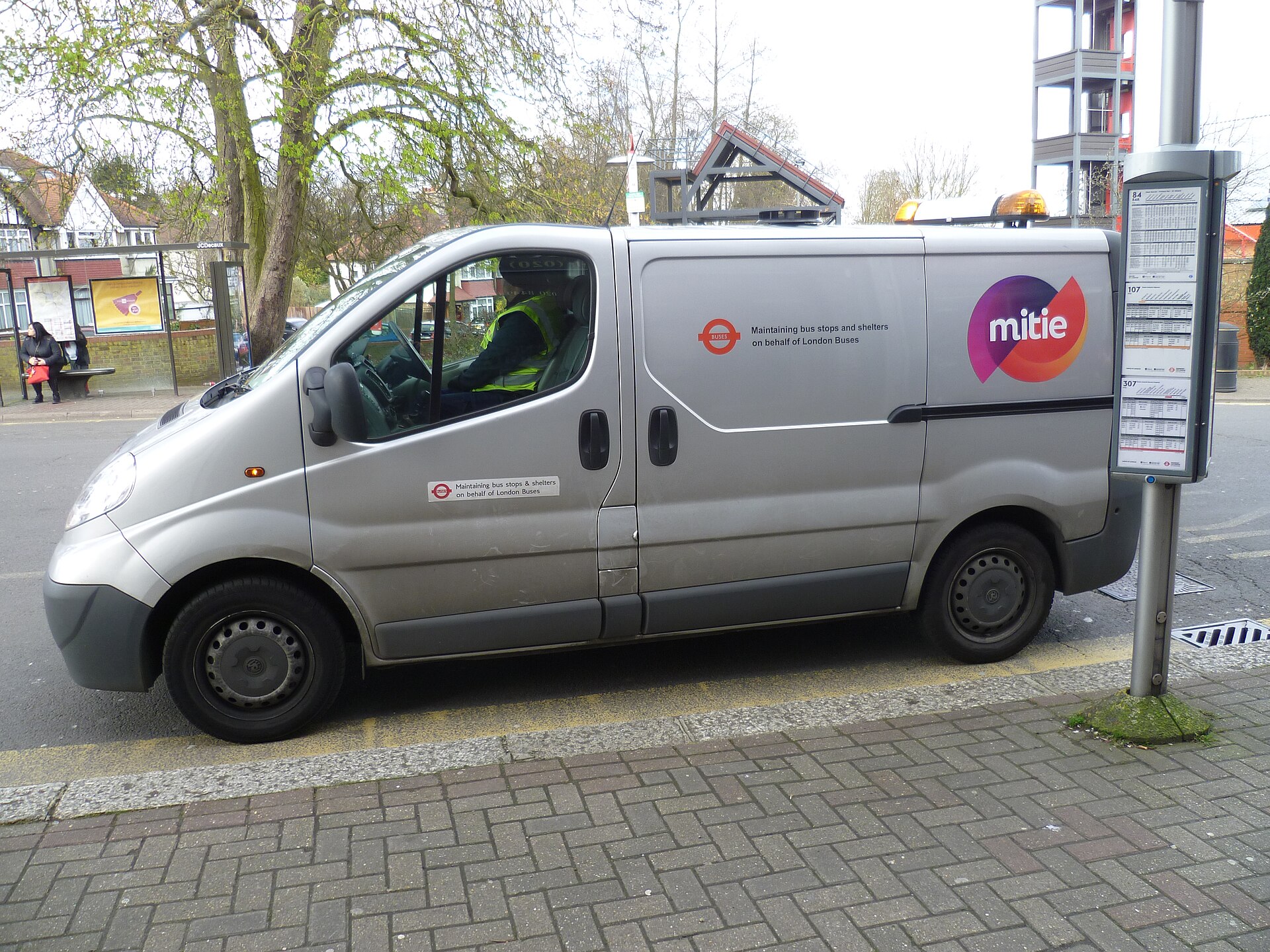
Mitie has agreed to a £3.1 billion takeover by rival facilities-management group OCS, creating one of Britain’s largest outsourced-services businesses and bringing Mitie’s nearly four decades as a publicly traded company towards an end.
The recommended cash offer is being made by OCS, which is owned by the US private equity group Clayton, Dubilier & Rice. If approved, the transaction will combine two major providers of cleaning, security, engineering, maintenance, compliance and workplace services.
The enlarged group would have combined annual revenues of approximately £8.5 billion and employ more than 200,000 people worldwide. It would serve customers across government, defence, healthcare, infrastructure, life sciences and commercial property in the UK, Europe, the Middle East and Asia Pacific.
The offer provides Mitie shareholders with a substantial premium, but it will also renew debate about foreign private equity ownership, the declining number of companies listed in London and the concentration of strategically important government contracts among a smaller number of large suppliers.
OCS offers shareholders up to 221.6p a share
OCS will pay 218.5p in cash for each Mitie share. Shareholders will also be entitled to retain Mitie’s proposed final dividend of 3.1p a share, giving a total potential value of 221.6p.
The offer represents a 46.8% premium to Mitie’s closing price of 151p on Monday 20 July. It is also 39.2% above the company’s average share price over the preceding three months and 19.3% above Mitie’s previous record closing price of 185.7p, reached in April.
Mitie’s shares rose by more than 40% following the announcement, trading close to 214p. The fact that the market price remained slightly below the full offer value reflects the time required to complete the transaction and the possibility, however limited, that shareholder or regulatory approval could be withheld.
Mitie’s board has unanimously recommended the offer after receiving advice that its financial terms are fair and reasonable. Shareholder meetings are expected to take place in September, with completion anticipated during the first quarter of 2027.
Two major facilities-management businesses come together
Mitie is one of Britain’s largest facilities-management and outsourcing groups. It employs approximately 84,000 people and manages around 3,000 major public and private-sector contracts.
Its services include engineering maintenance, security, cleaning and hygiene, fire and security compliance, environmental services, energy projects and the management of complex buildings and estates. Its customers include government departments, defence organisations, healthcare providers, transport infrastructure operators and major private companies.
OCS has approximately 135,000 employees internationally and operates across the UK, Europe, Asia Pacific and the Middle East. It provides facilities management, cleaning, catering, security, engineering and other workplace services.
Clayton, Dubilier & Rice acquired OCS in 2022 and has since supported a programme of expansion. OCS has bought businesses including FES and the UK operations of EMCOR, strengthening its position in technical and engineering-led facilities services.
The Mitie acquisition represents a significant acceleration of that strategy. Rather than buying another specialist provider, OCS would acquire one of the largest and most established operators in the British market.
Combined revenue would reach approximately £8.5 billion
OCS estimates that the two businesses generated combined revenue of approximately £8.5 billion during the 2025 calendar year.
The enlarged company would remain headquartered in the UK and maintain headquarters functions in central London. OCS also intends to retain its main UK operational office in Ipswich.
Greater scale could allow the company to compete for larger and more technically demanding contracts. Major customers increasingly expect facilities-management providers to combine traditional services, such as cleaning and security, with data analysis, energy management, regulatory compliance and specialist engineering.
OCS argues that the combined business would be better positioned to serve complex and highly regulated environments, including hospitals, military sites, transport networks, laboratories and data centres. It also believes the group would have greater financial capacity to invest in technology, training and operational systems.
Technology and data centres are becoming more important
Facilities management was once regarded primarily as a labour-intensive industry built around cleaning, catering, security and basic building maintenance.
Although these services remain essential, the industry is increasingly influenced by technology, compliance and the management of energy-intensive infrastructure.
Modern buildings generate large amounts of operational data. Sensors and software can monitor energy consumption, equipment condition, occupancy, air quality, maintenance requirements and security risks. Artificial intelligence can then be used to identify faults, predict maintenance and improve the allocation of employees and equipment.
OCS has highlighted data and artificial intelligence as important areas for the combined company. The takeover announcement said the enlarged group would provide a stronger platform for investing in technology-enabled services and standardising the most effective processes used by each business.
Mitie already provides mechanical, electrical, cooling and security services to data-centre operators, including major technology businesses. Demand in this market is growing as companies invest heavily in cloud computing and artificial intelligence infrastructure.
Mitie was not a distressed business
The takeover is not the rescue of a failing contractor.
Mitie reported revenue of approximately £1.4 billion for the three months to the end of June, an increase of 10% compared with the previous year. Growth was supported by contract awards in data centres and engineering services, including work at AstraZeneca’s global research facilities.
For the year ending March 2026, Mitie reported record revenue of approximately £5.65 billion and operating profit before certain items of at least £260 million. Its bidding pipeline had increased to approximately £31 billion, demonstrating the scale of potential future work available to the company.
The board said Mitie had an attractive future as an independent business. However, continuing alone would expose shareholders to the uncertainty surrounding contract awards, integration projects and future investment returns.
The OCS offer instead provides investors with an immediate and certain cash return at a substantial premium. That combination of price and certainty appears to have persuaded the board to recommend the transaction.
Phil Bentley’s turnaround reaches its conclusion
The takeover also marks the conclusion of a significant transformation under chief executive Phil Bentley.
Bentley joined Mitie in 2016 after the company had suffered repeated profit warnings, accounting concerns and difficulties within its healthcare operations. During his leadership, Mitie withdrew from underperforming activities, strengthened its balance sheet and expanded through acquisitions, including the facilities-management operations of Interserve and the compliance specialist Marlowe.
He had already announced that he intended to retire by March 2027. Bentley will now remain in post until the takeover completes and will then step down from the board, although he has agreed to remain available during the integration period.
OCS chief executive Rob Legge will lead the enlarged business, while OCS finance director Gary McGaghey will become its chief financial officer. Mitie finance director Simon Kirkpatrick will also leave the board following completion.
Reports suggest Bentley’s shares and incentive awards could be worth approximately £51 million if the transaction completes. Around 50,000 Mitie employees who participate in company share plans could collectively receive approximately £124 million.
Front-line jobs are expected to be protected
The combination of two large businesses operating in similar markets will inevitably create concern about job losses.
OCS has said it does not intend to make a material reduction in the number of front-line operational employees. These workers deliver cleaning, security, engineering and other services directly to customers and remain essential to fulfilling existing contracts.
The company has also committed to safeguarding Mitie employees’ existing contractual and statutory employment rights, accrued pension entitlements and continuous service in accordance with applicable law.
However, some reductions are likely among central and corporate functions.
Mitie will no longer require all the governance, investor-relations and reporting positions associated with being a listed company. There will also be overlap across finance, administration, human resources, technology and other support functions.
OCS said it expects the overall reduction to be immaterial relative to Mitie’s workforce, but confirmed that some overlapping roles may disappear over the medium term.
The enlarged business will also review its property footprint. Offices may be consolidated where both companies operate from nearby locations, although OCS has said it would seek to relocate affected employees to other local premises where practicable.
Integration will be the principal operational challenge
The commercial logic of greater scale is relatively straightforward. Delivering the expected benefits will be more difficult.
OCS will need to combine businesses employing more than 200,000 people across multiple countries while continuing to deliver services at hospitals, airports, military facilities, offices and other critical sites.
The integration will include technology platforms, procurement systems, employment practices, management structures, customer reporting and potentially the future brands used by the organisation.
Facilities-management contracts are often complex and operate on narrow margins. Service disruption, weak cost control or delays in integrating systems could therefore reduce the financial benefits of the transaction.
OCS has said it intends to conduct a detailed post-completion review and introduce the integration in stages to preserve customer service and workforce stability.
The group’s previous acquisitions provide some experience of combining businesses, but Mitie is substantially larger and more operationally complex than the companies OCS has recently purchased.
Government contracts create a wider public interest
The takeover has significance beyond shareholders because Mitie delivers important services across the public sector.
Its work includes government estates, defence facilities, healthcare, prisons, immigration services and transport infrastructure. The combined company could become one of the most influential suppliers of outsourced services to the British state.
Scale can provide advantages. A larger contractor may have greater financial resilience, wider technical capability and more capacity to invest in training and equipment.
However, concentration also creates risks. If a small number of companies control a growing proportion of government outsourcing, public bodies may have fewer credible bidders and become more dependent on individual suppliers.
The collapse of Carillion in 2018 demonstrated the consequences that can arise when a major contractor responsible for essential services experiences financial distress. This does not suggest that OCS or Mitie faces comparable difficulties, but it explains why government customers and regulators will examine the enlarged company’s financial strength, governance and continuity planning closely.
Competition and national-security reviews will be required
Completion remains subject to shareholder, court and regulatory approval.
The transaction may require examination by the Competition and Markets Authority, which will consider whether combining two major facilities-management providers could substantially reduce competition within any UK market.
European Commission clearance may also be required because both companies operate across Europe. The transaction is additionally subject to the UK’s National Security and Investment Act where mandatory notification requirements apply.
The national-security review is relevant because Mitie serves defence, government and critical-infrastructure customers.
OCS and Mitie have said they are confident of obtaining the necessary approvals. However, regulators could require undertakings or changes if they identify excessive overlap within particular services or sectors.
Approval is therefore not automatic, although the sharp increase in Mitie’s share price indicates that investors currently expect the transaction to complete.
Private equity ownership brings opportunities and questions
OCS argues that private ownership will allow the enlarged group to invest over a longer period without the short-term pressures associated with public equity markets.
The transaction will be financed through a combination of equity provided by Clayton, Dubilier & Rice funds and a term loan.
Private equity can provide capital, strategic focus and specialist experience in restructuring and expanding companies. OCS’s recent acquisitions demonstrate that CD&R is prepared to support investment in the facilities-management sector.
However, private equity transactions also attract scrutiny over debt, cost reductions, executive incentives and the eventual exit strategy.
The financial resilience of a contractor providing essential public services will be particularly important. Customers will want reassurance that acquisition debt will not restrict investment or create pressure to reduce costs in ways that weaken service quality.
A source familiar with the negotiations reportedly suggested that CD&R could eventually relist the combined business in London when it decides to sell its investment. This remains a possibility rather than a formal commitment.
Another established company prepares to leave London
Mitie was founded in 1987 and joined the stock market shortly afterwards. Completion of the OCS offer would end almost four decades as a listed company.
The takeover forms part of a wider wave of acquisitions involving British-listed businesses. Companies including Intertek, easyJet, Beazley and Schroders have agreed takeovers during 2026, while other major businesses have received approaches from foreign or private equity buyers.
For individual shareholders, a substantial takeover premium can be attractive. However, the continuing removal of established companies reduces the number of businesses available to UK investors and pension funds.
It also raises questions about whether London-listed companies are being consistently undervalued compared with similar businesses in overseas markets.
The offer is almost 47% above Mitie’s price immediately before the announcement. That suggests OCS believes the company is worth substantially more under private ownership than the public market had previously recognised.
Could another bidder emerge?
Mitie’s shares initially traded below the full offer price, but the relatively small gap could reflect the possibility of a competing approach.
Analysts have suggested that the transaction is likely to succeed, although the strategic attraction of scale within facilities management means another buyer cannot be ruled out completely.
A rival would need to offer a higher price while also demonstrating that it could finance the transaction and obtain regulatory approval.
The agreement allows for the possibility of a third party announcing a firm competing offer. However, there is currently no public evidence that another bidder intends to enter the process.
A major change for the outsourcing industry
The OCS acquisition of Mitie would reshape the UK facilities-management market.
The enlarged group would combine Mitie’s scale, government relationships and technology-led services with OCS’s international operations and private equity-backed acquisition strategy.
Customers could benefit from wider technical capability and greater investment. Employees may gain access to more varied career and training opportunities, while shareholders would receive a substantial premium.
The risks lie in integration, job duplication, reduced competition and the financial structure placed around a business delivering important public and private-sector services.
For the London Stock Exchange, the transaction represents another significant loss. For OCS and CD&R, it provides the opportunity to create a British-headquartered international outsourcing group with £8.5 billion of annual revenue.
The final outcome will now depend on shareholders and regulators. If the deal completes as expected in early 2027, one of Britain’s most familiar listed contractors will disappear from the public market and become part of a much larger privately owned group.