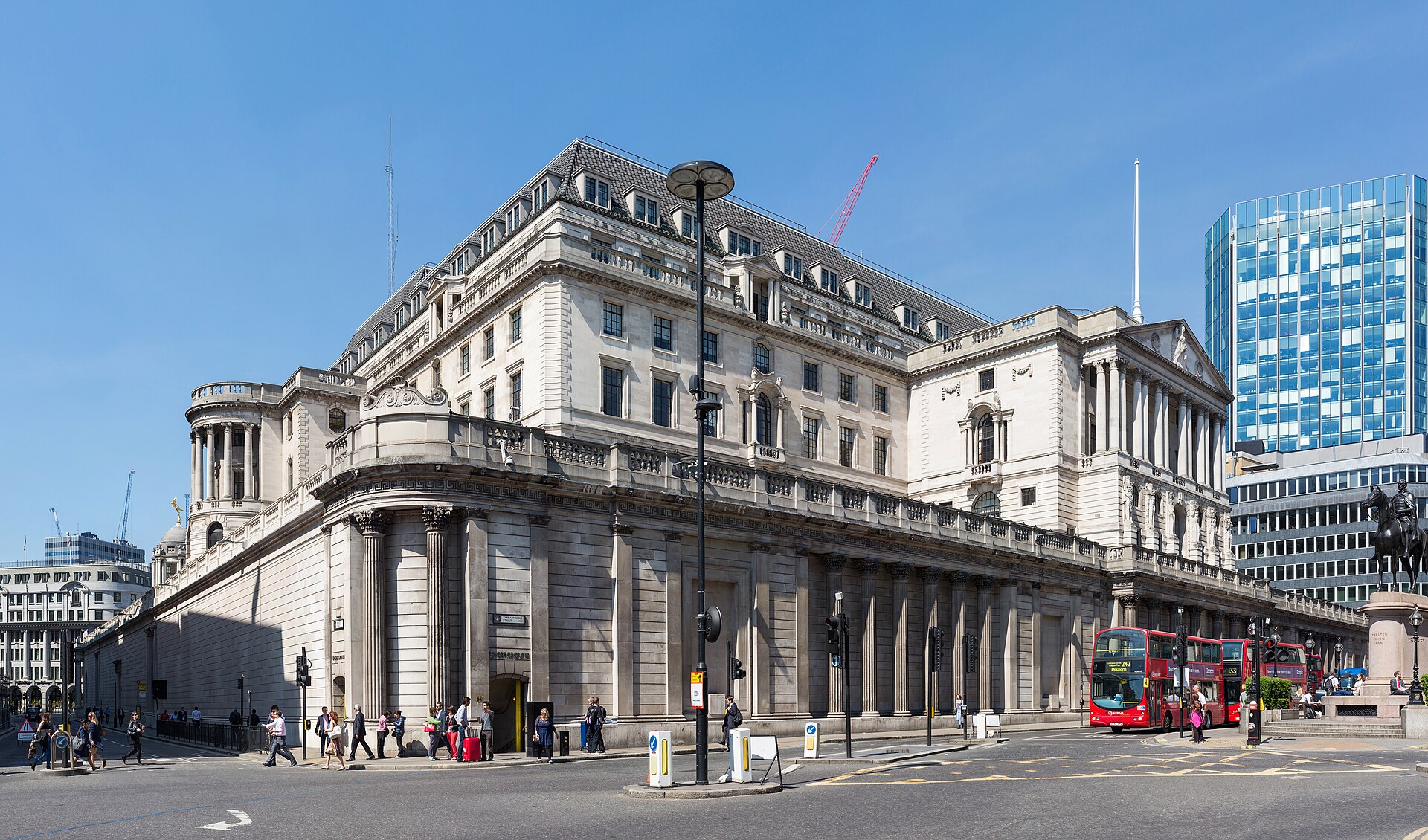
Britain’s economic outlook is being shaped by a widening tension between resilient corporate performance and a more difficult environment for prices, borrowing and public spending. New forecasts suggest that the energy shock associated with the conflict in the Middle East could leave inflation above target for longer, restricting the government’s room for manoeuvre and complicating the Bank of England’s interest-rate decisions.
At company level, several large UK-listed businesses reported robust trading on 28 July. Barclays benefited from stronger investment banking activity, Unilever recorded volume-led sales growth and Games Workshop continued its international expansion. GSK, meanwhile, paired encouraging pharmaceutical sales with a major restructuring and a £400 million investment in Cambridge.
The broader picture is less comfortable. Postal and consumer-goods prices are rising, mortgage costs have edged higher, regulators are intervening in broadband competition and companies exposed to international supply chains continue to manage tariffs and disruption. For business leaders, the central question is whether corporate investment can remain firm as inflation and financing conditions stay restrictive.
Energy shock narrows the government’s fiscal options
The National Institute of Economic and Social Research has warned that the continuing consequences of the conflict in the Middle East could create difficult choices for the government at the next Budget. Its preliminary summer outlook forecasts UK economic growth of 1.1 per cent in both 2026 and 2027, implying about £28 billion less output over the two years than it expected in January.
NIESR expects consumer price inflation to average 3.1 per cent during 2026 and peak at 3.8 per cent in February 2027 as higher wholesale energy costs feed through to household bills and the wider economy. It does not expect inflation to return to the Bank of England’s 2 per cent target until early 2029. These are forecasts rather than established outcomes, and the path will depend heavily on energy markets and events in the Middle East.
The institute estimates that higher inflation could add about £24 billion, in 2023 prices, to the amount required by the end of the decade to preserve the real value of public services and welfare payments. It has also reduced its estimate of the government’s remaining fiscal headroom from just over £7 billion to roughly £3 billion. That calculation differs from the Office for Budget Responsibility’s March assessment, which was based on an earlier economic and policy outlook.
For businesses, prolonged inflation would affect more than government finances. It would raise wage and input-cost pressures, reduce the likelihood of cheaper credit and weaken household purchasing power. The Bank of England’s Monetary Policy Committee completes its July meeting on 29 July, with its decision and updated Monetary Policy Report due at noon on 30 July. Bank Rate stood at 3.75 per cent after the June meeting, when two of the nine committee members voted for an increase.
GSK combines Cambridge investment with a major cost-cutting programme
GSK has announced a £400 million investment in UK life sciences over three years, centred on a new global research and development facility at the Cambridge Biomedical Campus. The 300,000 square foot centre is intended to house more than 1,000 scientists working in areas including oncology, respiratory medicine, hepatology, vaccines and HIV.
The investment will result in GSK vacating its existing research site in Stevenage through a phased move by 2029. Some employees will move to Cambridge, while others will transfer to upgraded laboratories in Ware. The announcement strengthens Cambridge’s position as an internationally significant life-sciences cluster, although the consequences for Stevenage and employees unable to relocate require careful consideration.
The investment forms part of a wider restructuring intended to generate £1.9 billion of annual savings by 2029. GSK expects the three-year programme to cost £2.4 billion, including £2.1 billion in cash costs. The company said technology, artificial intelligence, redesigned processes and a simplified site and supply-chain network would contribute to the savings. It has not yet provided a final figure for job losses.
GSK’s second-quarter sales rose by 5 per cent at constant exchange rates to £8.4 billion. Specialty medicines revenue increased by 14 per cent to £3.8 billion, while vaccines sales rose by 8 per cent to £2.3 billion. The company now expects turnover and core operating profit growth to be in the upper half of their respective full-year ranges of 3 to 5 per cent and 7 to 9 per cent.
The announcement illustrates both the opportunity and the disruption created by cluster-based investment. Locating scientists close to hospitals, universities, laboratories and biotechnology companies can improve collaboration and recruitment. However, consolidation also shifts economic activity between regions and demonstrates that investment commitments can accompany significant organisational reductions elsewhere.
Barclays profits rise as investment banking recovers
Barclays reported first-half pre-tax profit of £6.1 billion, 17 per cent higher than the £5.2 billion recorded a year earlier and slightly ahead of market expectations. Group income rose by 11 per cent to £16.5 billion, supported by stronger equities trading and investment-banking fees.
The bank’s return on tangible equity increased to 14.8 per cent, while its common equity tier one capital ratio stood at 14.3 per cent. Barclays announced total capital distributions of £2.3 billion, including a share buyback of up to £1 billion and an interim dividend of 5.9p a share. It also raised its full-year group income target from approximately £31 billion to £31.5 billion.
The results provide evidence that volatile markets and recovering corporate transactions can be profitable for diversified banks. Barclays said UK lending balances were 5 per cent higher than a year earlier, indicating that its domestic balance sheet was also expanding rather than the improvement coming solely from international markets.
However, the shares fell after the announcement as investors focused on rising expenditure and performance that, in some areas, did not match the exceptional trading results reported by several Wall Street competitors. Operating expenses increased by 6 per cent during the first half. The reaction underlines the demanding expectations already reflected in banking valuations after a period of stronger earnings.
The results have also revived political arguments about the taxation of bank profits. Any change would need to weigh the potential public-revenue benefit against the government’s stated ambition to increase lending, investment and the international competitiveness of the City. Strong profitability does not by itself settle that policy trade-off.
Unilever expects pricing to accelerate despite strong volumes
Unilever reported first-half underlying sales growth of 4.8 per cent, comprising a 4.2 per cent increase in volumes and a 0.6 per cent contribution from prices. Growth accelerated during the second quarter to 5.8 per cent, led by a 5.5 per cent increase in volumes.
The consumer-goods group upgraded its 2026 outlook and now expects full-year underlying sales growth of between 4 and 6 per cent, with volume growth of about 3 per cent. It also expects a modest improvement in its underlying operating margin from the 20 per cent recorded in 2025.
Nevertheless, Unilever said price growth was likely to accelerate during the second half as commodity-related increases reached individual markets. Temporary factors had restrained pricing during the second quarter, including World Cup promotions, demanding comparisons in personal care and earlier measures to restore competitive price differences in Brazil.
The company’s regional performance was uneven. Emerging-market underlying sales rose by 7 per cent, supported by strong volume growth, while European sales fell by 0.9 per cent amid subdued markets and weaker food pricing. This divergence matters for the UK outlook because multinational consumer groups can often offset weakness in mature economies through faster-growing regions. Smaller domestically focused producers have fewer options when input costs rise.
For consumers and retailers, the prospect of renewed pricing from a major supplier adds to evidence that the inflation shock is moving beyond energy markets. Unilever’s strong volume performance suggests that its larger brands retain pricing power, but that strength cannot be assumed across every product or market.
Royal Mail price increases add to public and private-sector costs
Royal Mail has informed wholesale customers that bulk-mail prices will rise by an average of 25 per cent from 5 October, with some individual services increasing by more than a third. The changes affect companies that sort and process post for banks, utilities, government bodies and the NHS before Royal Mail completes the final delivery.
The price of a business-economy bulk letter weighing up to 100g is due to rise by 36.1 per cent, while other categories face smaller increases. Royal Mail said the changes were necessary because of higher fuel and labour costs and the expense of maintaining a nationwide delivery network as letter volumes decline.
Access-mail volumes have fallen from 6.3 billion items in 2019-20 to about 4.2 billion, according to the company, while the number of addresses served has increased to approximately 32 million. This creates a difficult commercial equation: fewer chargeable items must support a network with broadly national coverage obligations.
The immediate effect will be higher costs for organisations that cannot easily replace physical correspondence. Medical appointments, legal notices and communications with digitally excluded customers remain dependent on post. Businesses may accelerate the move towards electronic communications, but that would further reduce postal volumes and could intensify the financial pressure on the universal service.
Ofcom moves to protect competition in full-fibre broadband
Ofcom has provisionally proposed blocking an Openreach discount scheme after concluding that it could damage competition among full-fibre network operators. The regulator is consulting on whether Openreach should withdraw its proposed Incremental New to Openreach Customer Offer.
The scheme would provide internet service providers with discounts of up to £9.50 per customer per month for as long as 30 months when they brought additional users to Openreach’s network. Ofcom said the discounts targeted the same new customers that smaller alternative networks need to secure if they are to build sustainable businesses.
The regulator’s concern is that rivals may be unable to match the offer while recovering the cost of constructing their networks. Ofcom is not proposing action against several other Openreach promotions, which it believes present fewer competition concerns. The consultation closes on 27 August, and a final decision is expected by the end of September.
The issue illustrates the difficult balance facing infrastructure regulators. Lower wholesale prices can benefit consumers in the short term, but aggressive discounting by a dominant operator could weaken competitors and reduce choice over time. For investors in alternative fibre networks, the provisional intervention offers some reassurance, although commercial pressure from high debt, duplicated infrastructure and slow customer migration remains considerable.
Games Workshop grows despite tariffs and weaker licensing income
Games Workshop increased annual revenue to £659.7 million in the 52 weeks to 31 May, from £617.5 million a year earlier. Core revenue rose by 10.9 per cent to £626.8 million, while pre-tax profit increased by almost 6 per cent to £275.7 million.
The Nottingham-based Warhammer producer continued to benefit from international demand and its network of independent retailers. Trade-channel revenue increased by 17.2 per cent at actual exchange rates, and the number of independent trade accounts rose by about 1,000 to approximately 9,100.
Licensing revenue fell from £52.5 million to £32.9 million after the prior year benefited from the release of the Space Marine 2 video game. The decline demonstrates the variability of intellectual-property income, which depends partly on the schedules and commercial success of external partners.
The company paid about £12 million in new US tariffs during the period, although it subsequently reclaimed £7.8 million following a US Supreme Court ruling. It currently expects to incur approximately £13 million of new US tariffs in 2026-27. Games Workshop is also increasing its inventory of plastic raw material to limit the risk of supply disruption.
Its performance shows how a specialised UK manufacturer can build a global consumer franchise, but also how even high-margin businesses must absorb trade-policy and logistics risks. Games Workshop increased average recommended retail prices by 3 per cent and raised its UK base hourly pay to £13.14, while distributing a £5,000 profit-share payment to eligible employees.
EY sanctioned over its audit of Made.com
The Financial Reporting Council has fined EY £1.197 million over failings in its audit of online furniture retailer Made.com for the year ended 31 December 2021. Audit engagement partner Julie Carlyle received a separate £49,000 penalty. Both sanctions were reduced after admissions and co-operation.
EY and the audit partner admitted breaches concerning the assessment of Made.com’s ability to continue as a going concern and the evidence supporting a deferred tax asset. The regulator found that the auditors did not adequately test the reliability of management’s financial models, challenge important assumptions or evaluate downside scenarios.
The FRC stressed that its settlement notice does not question whether Made.com’s 2021 financial statements gave a true and fair view. The company subsequently experienced supply-chain disruption and weaker consumer demand before entering administration in November 2022.
The case is relevant beyond the parties involved. Forecasts used in going-concern assessments can appear persuasive during periods of rapid growth, but they require rigorous testing against adverse conditions. For boards, finance directors and auditors, the sanction reinforces the importance of independent challenge when a business depends heavily on optimistic demand, funding or cash-flow assumptions.
The wider business outlook
The latest developments show that the UK economy is not moving uniformly. Large companies with international operations, established brands or valuable intellectual property continue to generate growth and invest. Barclays, Unilever, GSK and Games Workshop each reported important areas of commercial strength.
At the same time, many of the gains are being accompanied by restructuring, price increases or defensive measures. GSK is redirecting resources while reducing its cost base, Unilever expects more commodity-driven pricing, Royal Mail is passing the cost of a shrinking letters market to bulk users and Games Workshop is holding additional materials against supply-chain risk.
The most important near-term signal will come from the Bank of England on 30 July. Businesses should focus not only on the immediate interest-rate decision but also on the Bank’s updated projections for inflation, growth and wages. If the energy shock is judged likely to produce persistent second-round effects, borrowing costs may remain elevated for longer than many companies and households previously expected.
Beyond monetary policy, attention will turn to how the government reconciles its spending commitments with weaker fiscal headroom. The evidence does not yet point to an economy-wide downturn, but it does suggest a period in which investment decisions, pricing power, balance-sheet resilience and exposure to energy or international trade will increasingly separate stronger businesses from more vulnerable ones.