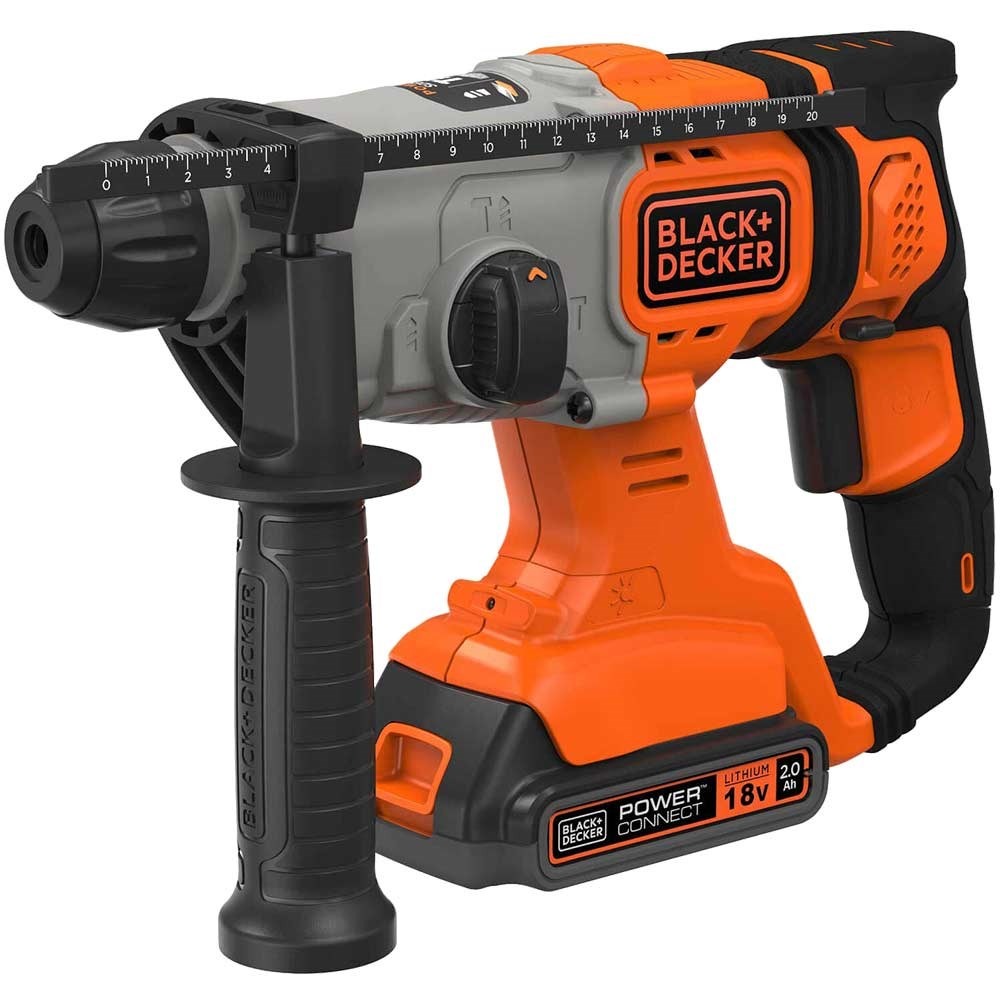
Black & Decker: From Power Tool Pioneer to Budget DIY Brand
A full business analysis and strategic review
Black & Decker is one of those brands that carries a particular kind of memory. For many people, especially those who grew up in homes where their father or grandfather had a Black & Decker drill in the cupboard, the brand meant reliability, usefulness and a certain quiet seriousness. It was the tool you bought because it would do the job. It was not glamorous, but it felt proper.
Today, the perception is different. Black & Decker, now styled as BLACK+DECKER, is still a major global brand, but it is no longer generally seen as the serious tradesperson’s choice. That role now belongs, within the same corporate family, to DeWalt. Black & Decker has become more clearly positioned around household DIY, light home improvement, garden tools, cleaning products and accessible consumer equipment.
That change did not happen by accident. It was the result of innovation, market segmentation, acquisition, brand architecture and, arguably, some strategic trade-offs. The question is not simply whether Black & Decker has declined. The more useful question is whether the brand has been deliberately moved into a different part of the market.
The short answer is yes. Black & Decker has not disappeared because it became weak. It became the household DIY and home brand inside a much larger tool empire. The price paid for that strategy is that many customers who remember the old Black & Decker now feel the brand has been downgraded.
1. Origins: two men, a machine shop and a drill that changed the industry
Black & Decker was founded in 1910 by S. Duncan Black and Alonzo G. Decker, who opened a small machine shop in Baltimore, Maryland. Early products included machines for making milk bottle caps and candy dipping equipment. The business did not begin as a domestic DIY brand. It began as a practical engineering business.
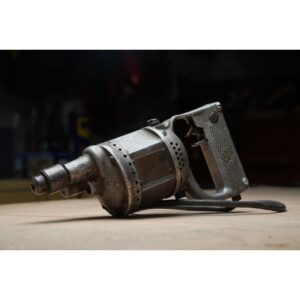
The company’s defining innovation came in 1917, when it filed a patent application for a half-inch portable electric drill with a pistol grip and trigger switch. That design laid the groundwork for the modern power tool industry. It made the drill more manageable, more intuitive and more suitable for individual users. In simple terms, Black & Decker helped turn the electric drill from an awkward industrial machine into the familiar hand-held tool we still recognise today.
The company opened its first large-scale manufacturing facility in Towson, Maryland, in 1917 and listed on the New York Stock Exchange in 1936. By 1951, its one-millionth quarter-inch home utility drill had come off the assembly line.
Recap
Black & Decker began as an engineering innovator. Its early reputation was not built on being cheap. It was built on making power tools more usable, more portable and more widely available.
2. The golden era: when Black & Decker made power tools mainstream
The reason Black & Decker became so trusted in ordinary homes was that it helped democratise power tools. It did for the home workshop what Ford did for the car: it took something technical and made it accessible to ordinary people.
In 1957, Black & Decker moved into consumer lawn and garden tools, launching electric outdoor tools for everyday homeowners. In 1961, it introduced the world’s first cordless electric drill powered by nickel-cadmium cells. In 1962, it introduced what it describes as the world’s first cordless outdoor power tool, the cordless hedge trimmer.
These were not minor product extensions. They were category-shaping innovations. A cordless drill was a major step towards the tool market we know today, where battery platforms, charging systems and cordless convenience define customer choice.
Black & Decker also had real engineering credibility. A Black & Decker-built power head was used in the Apollo Lunar Surface Drill, which removed core samples from the Moon during the Apollo 15 mission and was later used on Apollo 16 and Apollo 17.
This is important because it explains the emotional dissonance many people feel today. The old Black & Decker was not just a cheap orange drill. It was a serious innovator.
3. Product expansion: from drills to the home
Black & Decker gradually expanded from power tools into a much wider home and lifestyle business.
The Workmate portable workbench launched in 1975 and became one of the brand’s most recognisable products. In 1979, Black & Decker launched the Dustbuster, a cordless hand-held vacuum that extended its cordless technology from the workshop into household cleaning. In 1984, it acquired General Electric’s small household appliance division, further broadening the brand beyond tools.
The company continued launching consumer-friendly products through the 1990s and 2000s, including the SnakeLight flexible flashlight, VersaPak interchangeable battery system, Mouse sander, Flex Vac, Gyro rechargeable screwdriver and Matrix Quick Connect system.
This product expansion was strategically understandable. Black & Decker’s strength was not only drilling holes. It was making household tasks easier. The current corporate brand description still presents BLACK+DECKER as a brand for power tools, outdoor yard care equipment and home products, with the tagline idea of making the task at hand “Easy by Design”.
But this broadening also changed the brand. A company known for serious drills became a company known for drills, sanders, vacuums, steam cleaners, leaf blowers, hedge trimmers, kitchen appliances and home gadgets. That made the brand bigger, but it also made it less specialised.
Recap
Black & Decker’s expansion into household products was logical and commercially powerful. But it shifted the brand from “tool maker” to “home task solver”. That is one reason the brand feels less trade-focused today.
4. DeWalt: the decision that changed Black & Decker’s position forever
The most important strategic moment in Black & Decker’s modern history was not the Stanley merger. It was the decision to make DeWalt the professional power tool brand.
Black & Decker acquired DeWalt in 1960. DeWalt had its own industrial heritage, originally built around Raymond DeWalt’s radial arm saw. In 1992, Black & Decker reintroduced DeWalt as a new line of professional portable electric power tools and accessories aimed at residential contractors, remodelers and professional woodworkers.
This was an excellent brand strategy, but it had a consequence. It effectively split the market:
DeWalt became the serious professional and trade-facing brand.
Black & Decker became the household, DIY and convenience brand.
This is the heart of why the brand feels different today. Black & Decker did not simply lose the professional market. Its owner built DeWalt to win it.
That move made strong commercial sense. Tradespeople often did not want to buy a tool that looked like the same brand used by occasional DIY customers. DeWalt’s yellow and black identity gave Black & Decker a way to sell higher-priced, higher-performance professional products without being held back by the consumer image of the Black & Decker name.
But for the loyal customer who remembered Black & Decker as “proper tools”, the effect was jarring. The professional credibility migrated to DeWalt. The orange Black & Decker brand stayed in the shed, the kitchen cupboard and the garden.
5. The Stanley merger and the rise of the brand portfolio
In 2010, The Stanley Works and Black & Decker merged to form Stanley Black & Decker. The combined company became one of the world’s largest tools and storage businesses. The modern corporate group owns a portfolio that includes DeWalt, Craftsman, Stanley, Black+Decker, Cub Cadet, Bostitch, Irwin, Lenox, Porter-Cable, Proto, Mac Tools and others.
That portfolio is both Black & Decker’s protection and its problem.
It is protection because the brand now sits inside a giant global tools and outdoor products business. Stanley Black & Decker describes itself as the number one global tools and outdoor company, with products sold in around 60 countries and a brand-led strategy focused on end users and innovation.
It is a problem because Black & Decker is no longer the main premium brand. Stanley Black & Decker’s own future strategy language places particular emphasis on DeWalt, Craftsman and Stanley as the brands serving “the people making our world”, while Black+Decker is more clearly presented as a home, outdoor and task-easing consumer brand.
That tells us something important. Black & Decker is still valuable, but it is not the group’s hero trade brand.
6. The Craftsman and outdoor expansion: another layer of complexity
Stanley Black & Decker acquired the Craftsman brand from Sears Holdings in 2017 for a net present value of about $900 million. Craftsman gave the group another powerful consumer and prosumer brand, especially in the United States, with strong awareness around reliable, good-value tools.
The group also expanded heavily into outdoor power equipment. In 2021, it completed acquisitions of MTD Holdings and Excel Industries, adding brands such as Cub Cadet, Troy-Bilt, Robomow, Rover, Wolf-Garten, Hustler and BigDog. MTD brought lawn mowers, snow blowers, trimmers and outdoor equipment for residential and commercial markets, supported by mass retail, hardware, dealer and farm supply channels.
This is relevant because Black & Decker now competes not only against external rivals, but also against its own corporate siblings. A DIY customer might choose Black & Decker, Craftsman or Stanley. A professional might choose DeWalt, Mac Tools or Proto. A homeowner buying outdoor equipment might see Black+Decker, Craftsman, Troy-Bilt or Cub Cadet.
That gives Stanley Black & Decker wide market coverage, but it also means Black & Decker’s role has to be narrower and clearer. It cannot be everything.
7. Why Black & Decker feels “budget” today
Black & Decker often does feel like a budget or entry-level power tool brand today. But there are several reasons for that, and not all of them are negative.
First, the professional market moved up. Tradespeople now expect brushless motors, high-capacity lithium battery systems, rugged housings, jobsite connectivity, dust control, heavy-duty warranty support and deep tool ecosystems. DeWalt, Milwaukee, Makita, Bosch Professional and Hilti compete hard in that space. Black & Decker was repositioned away from it.
Second, DIY became more price-sensitive. A homeowner buying a drill to assemble furniture, fit shelves or do occasional repairs does not always need a professional tool. Retailers need products at accessible price points. Black & Decker fills that role.
Third, the group created a deliberate brand ladder. At simplified level, the ladder looks like this:
| Segment | Typical customer | Stanley Black & Decker brands |
|---|---|---|
| Professional trade | Contractors, serious users, jobsite users | DeWalt, Mac Tools, Proto |
| Prosumer and value heritage | Heavy DIY, mechanics, US mass market | Craftsman, Stanley |
| Household DIY and home | Occasional DIY, garden, cleaning, home tasks | Black+Decker |
| Outdoor and lawn care | Homeowners and commercial outdoor users | Cub Cadet, Troy-Bilt, Black+Decker, Craftsman |
Fourth, power tool markets have become battery-platform markets. Once a customer buys into DeWalt, Milwaukee, Makita, Bosch, Ryobi or another battery system, switching becomes expensive. Black & Decker’s household battery platforms are useful, but they are not typically seen as the trade standard.
Fifth, brand stretch diluted the old tool identity. When the same name appears on drills, hedge trimmers, vacuums, steam cleaners and cocktail machines, it becomes a home brand rather than a pure tool brand. Stanley Black & Decker itself describes BLACK+DECKER as covering stick vacuums, steam cleaners, string trimmers and leaf blowers, alongside tools.
The result is a brand that still has enormous awareness, but less professional prestige.
Recap
Black & Decker feels budget today because the premium trade space was deliberately handed to DeWalt, while Black+Decker was developed as the accessible home and DIY brand. That is not accidental decline. It is strategic segmentation.
8. Current business position
Black & Decker is now part of Stanley Black & Decker’s Tools & Outdoor segment. For 2025, Stanley Black & Decker reported net sales of $15.1 billion, down 2% on the prior year, with Tools & Outdoor sales of $13.158 billion and adjusted segment margin of 10.7%. The company said retail softness in North America and weaker developed-market demand affected Tools & Outdoor, although pricing, tariff mitigation and supply chain cost reductions helped margins.
In the first quarter of 2026, Stanley Black & Decker reported net sales of $3.8 billion, up 3% year-on-year, but again noted lower retail volume in North America. Tools & Outdoor sales were $3.336 billion, up 2%, with organic revenue down 1% due primarily to lower retail volumes in North America.
This is important for Black & Decker because it is more exposed to consumer and DIY demand than DeWalt. When home improvement slows, housing markets soften, inflation bites, or consumers delay discretionary DIY purchases, Black & Decker is likely to feel the pressure.
At the same time, the long-term market is not unattractive. Power tool market estimates vary, but external research points to continuing growth, especially in cordless tools, DIY, construction and outdoor electrification. One 2025 ResearchAndMarkets release estimated the cordless power tools market would grow from $25 billion in 2024 to $37.2 billion by 2030.
The issue for Black & Decker is not whether people will buy tools. They will. The issue is whether Black & Decker can be more than the cheap option.
9. Market positioning: where Black & Decker sits
Black & Decker now occupies a particular space in the market: accessible, familiar, household-oriented, light-to-medium DIY and garden equipment.
It is not competing head-on with Hilti. It is not trying to out-Milwaukee Milwaukee. It is not trying to be Makita for carpenters or DeWalt for contractors. It is trying to be the brand a homeowner buys for ordinary tasks.
A simple positioning map would look like this:
| Brand | Position | Typical perception |
|---|---|---|
| Hilti | Premium professional and construction systems | Expensive, serious, specialist |
| Milwaukee | High-performance professional cordless ecosystem | Powerful, trade-focused, innovative |
| DeWalt | Professional and heavy DIY | Rugged, mainstream pro, jobsite |
| Makita | Professional and serious DIY | Reliable, broad, trade respected |
| Bosch Professional | Professional engineering-led | Precise, European, trade credible |
| Ryobi | DIY battery ecosystem | Accessible, broad, good for home users |
| Einhell | Value DIY and garden | Affordable, accessible |
| Black+Decker | Household DIY, garden and home tasks | Familiar, easy, affordable, light duty |
| Parkside and own-label | Discount DIY | Low price, occasional use |
Black & Decker’s current position is not bad in itself. The DIY and household market is large. The problem is emotional: the brand once sat higher in the mind of many customers. It has moved downmarket in perception, even if that move made sense inside the corporate portfolio.
10. Benchmarking: Black & Decker versus competitors
Against DeWalt
DeWalt has the clearer professional identity. It benefits from trade credibility, battery ecosystems, jobsite products, accessories and contractor loyalty. DeWalt’s own history presents it as a brand that “stood for the pros”, and in 1992 it launched professional portable electric tools specifically for contractors and professional woodworkers.
Black & Decker cannot realistically fight DeWalt without undermining the group’s own brand architecture.
Against Ryobi
Ryobi is perhaps the most relevant comparison. It is a DIY-focused brand with a very strong battery ecosystem and broad product range. For many modern homeowners, Ryobi owns the idea of “good enough for DIY, with one battery for everything”. This is dangerous for Black & Decker because Ryobi has made DIY feel like a system, not just a cheap drill.
Against Bosch Green
Bosch effectively separates Bosch Professional blue tools from Bosch green DIY tools. That is similar to the DeWalt and Black & Decker split, but Bosch green arguably benefits from the engineering halo of the Bosch name. Black & Decker’s issue is that its professional halo moved to a different brand.
Against Einhell, Parkside and own-label
At the value end, Black & Decker faces intense price competition from discount and retailer-owned brands. These can be difficult to beat because they do not need the same brand investment.
Against Amazon marketplace brands
Online marketplaces have created a flood of low-cost tools with aggressive pricing and high review counts. This puts pressure on Black & Decker’s entry-level ranges, especially for occasional-use products.
Benchmarking conclusion
Black & Decker’s strongest defence is brand trust. Its weakness is that trust must be constantly refreshed through product quality, battery compatibility, design and clear value. Familiarity alone is not enough.
11. PESTLE analysis
Political and trade
Stanley Black & Decker is exposed to tariffs, manufacturing footprint decisions and global supply chain policy. Its 2026 first-quarter update said higher pricing and operational cost improvements were largely offset by increased tariff expense, volume deleverage and inflation.
Economic
Black & Decker depends on consumer confidence, housing activity, DIY spending, garden product demand and retailer ordering patterns. The parent company has repeatedly pointed to retail softness in North America as a pressure on Tools & Outdoor volumes.
Social
DIY remains culturally important, but it has changed. Some consumers want to repair and improve homes themselves. Others rent, live in smaller homes, or lack confidence with tools. This gives Black & Decker an opportunity to make DIY less intimidating.
Technological
Cordless tools, lithium batteries, brushless motors, smart charging, interchangeable platforms and connected tools are central to the market. Black & Decker was once a cordless pioneer, but it now needs to ensure its battery systems feel modern and coherent.
Legal and safety
Power tools, lawn equipment and household appliances carry safety, warranty and product liability obligations. Reliability and safety are especially important for a brand that sells to non-professional users.
Environmental
Electrification of garden tools is a major opportunity. Battery-powered trimmers, mowers, blowers and chainsaws can replace petrol-powered equipment in many domestic settings. Stanley Black & Decker’s wider outdoor portfolio, including MTD brands, gives it scale in this shift.
PESTLE conclusion
Black & Decker’s future depends on consumer confidence, battery technology, garden electrification, price discipline and supply chain resilience.
12. SWOT analysis
Strengths
Black & Decker has enormous brand awareness, a long innovation history, broad distribution, a strong parent company, household credibility and a wide product range across DIY, garden and home. Stanley Black & Decker says the brand is number one in North America for corded and cordless power equipment and number one in North America for cordless hand vacuums, irons and toaster ovens.
Weaknesses
The brand has lost much of its professional prestige. It can feel budget, plastic-heavy and less durable than trade brands. It also risks being squeezed between cheap own-label tools and stronger DIY ecosystems such as Ryobi.
Opportunities
The main opportunities are beginner-friendly DIY, compact living tools, cordless garden products, home cleaning, repair culture, sustainability-led “fix it” trends, women and younger DIY audiences, and simple battery platforms.
Threats
Threats include low-cost imports, marketplace brands, retailer own-label ranges, Ryobi’s battery ecosystem, Bosch’s engineering reputation, DeWalt’s dominance inside the same group, soft DIY demand and tariff-driven cost pressure.
SWOT conclusion
Black & Decker still has one of the best-known names in tools, but awareness is not the same as desirability. The brand must turn familiarity into renewed confidence.
13. Porter’s Five Forces
Competitive rivalry: high
The power tool and DIY market is crowded. Black & Decker competes against premium brands, DIY brands, discount brands, supermarket and retailer ranges, online imports and other Stanley Black & Decker brands.
Buyer power: high
DIY customers can compare prices instantly. Many only need occasional-use tools, so they are willing to switch brands. Retailers also have significant power because shelf space is limited.
Supplier power: moderate
Battery cells, electronics, motors and specialist components matter. Scale helps Stanley Black & Decker, but global supply chains and tariffs can still affect costs.
Threat of substitutes: moderate to high
Consumers can hire tradespeople, rent tools, borrow tools, use hand tools, buy second-hand, or avoid the project altogether. For occasional users, the need to own a tool is not always strong.
Threat of new entrants: moderate
Building a trusted global tool brand is difficult, but online retail has allowed many low-cost manufacturers to enter the market quickly.
Five Forces conclusion
Black & Decker operates in a tough part of the market because entry-level customers are price-sensitive and competitors are plentiful. The brand must compete on trust, ease and value, not just price.
14. BCG-style portfolio review
Household drills and DIY tools: mature cash generators
Basic drills, sanders, screwdrivers and DIY kits are core products. They keep the brand visible but face intense competition.
Garden and outdoor tools: growth opportunity
Cordless garden products are a strong fit for Black & Decker. Homeowners want lighter, cleaner and easier alternatives to petrol equipment. This is one of the brand’s best growth areas.
Home cleaning: strong consumer extension
Dustbuster heritage gives Black & Decker credibility in handheld cleaning and cordless household devices. The brand is not only a tool brand anymore, and cleaning fits its “make life easier” positioning.
Lifestyle and home gadgets: risky question marks
Products such as cocktail machines can create attention, but they risk stretching the brand too far. They may be commercially interesting, but they do not rebuild tool credibility.
Professional tools under Black & Decker: low priority
The professional tool opportunity belongs to DeWalt. Trying to rebuild Black & Decker as a trade brand would create confusion and conflict within the portfolio.
Portfolio conclusion
Black & Decker’s future is not in chasing tradespeople. It is in owning easy, reliable, accessible tools for the home, garden and occasional DIY customer.
15. Pricing analysis: value, but not disposable
Black & Decker’s pricing challenge is delicate.
If it becomes too cheap, customers assume the tools are disposable. If it becomes too expensive, customers may trade up to DeWalt, Makita, Bosch or Milwaukee, or choose Ryobi for its battery ecosystem.
The correct position is trusted affordability.
That means Black & Decker should not try to be the cheapest tool on the shelf. It should be the affordable tool that buyers trust more than an unknown brand. The old emotional promise was “this will last”. The modern promise should be “this will do the job without making the job difficult”.
The brand should therefore focus on:
Clear good-better-best range architecture.
Visible battery compatibility.
Better starter kits.
Simple warranties.
Better product education.
Packaging that explains tasks, not just specifications.
A homeowner does not always know whether they need torque, volts, amps or brushless motors. They know they need to put up shelves, trim a hedge, assemble a wardrobe or clean a car. Black & Decker should win by speaking the customer’s language.
16. Mistakes, missed opportunities and management lessons
1. Letting the professional halo migrate too completely
The DeWalt strategy was successful, but it left Black & Decker without much premium tool credibility. That may have been commercially rational, but it weakened the emotional connection with older customers who remembered Black & Decker as a serious tool brand.
2. Brand over-stretch
Moving into appliances, cleaning, garden and lifestyle products widened the brand, but also blurred it. A brand that stands for everything around the home can lose sharpness.
3. Battery ecosystem weakness
Modern cordless tool customers increasingly buy into ecosystems. Ryobi, DeWalt, Makita and Milwaukee all benefit from strong platform logic. Black & Decker has battery platforms, but the proposition has not always felt as powerful or as joined-up as leading competitors.
4. Too much reliance on legacy awareness
A famous name gets a customer to look. It does not guarantee the purchase. Younger buyers may not have the same emotional memory of Black & Decker as older customers.
5. Competing too much on price
If Black & Decker is seen mainly as a budget brand, it risks being compared with the cheapest alternatives rather than with trusted mainstream tools.
6. Internal brand competition
Stanley Black & Decker owns many brands. That is strategically useful, but it can make Black & Decker’s identity less central. The group’s investor language now emphasises activating brands, operational excellence and innovation, with particular focus on DeWalt, Craftsman and Stanley in its future growth narrative.
17. Stakeholder analysis
DIY customers
They want tools that are affordable, easy to use and reliable. They may not understand professional specifications, and they do not want to feel foolish choosing the wrong product.
Older loyal customers
This group remembers Black & Decker as a better or more serious brand. The opportunity is emotional, but the risk is disappointment if modern products feel too light-duty.
Younger homeowners and renters
They may be less brand loyal but more open to easy, compact, task-based tools. This is a key growth audience.
Retailers
Retailers want range clarity, margin, reliable supply and products that sell quickly. Black & Decker’s brand awareness helps, but retailers also need it to compete against own-label and online alternatives.
Stanley Black & Decker
The parent company needs Black & Decker to occupy a clear role without undermining DeWalt, Craftsman or Stanley.
Employees and manufacturing communities
Restructuring and supply chain changes remain sensitive. Stanley Black & Decker has been reducing costs and simplifying operations, and recent reports have highlighted factory closures and job losses as part of wider restructuring.
18. Where Black & Decker might expand
1. Cordless garden tools
This is probably the strongest growth area. Garden electrification fits the brand perfectly: quieter, lighter, cleaner and easier tools for normal households.
2. Compact urban DIY
As more people live in flats or smaller homes, Black & Decker can develop compact tools, storage-light kits and low-noise products for renters and first-time homeowners.
3. Beginner DIY education
The brand could become much stronger through tutorials, app-based project guidance, QR-code instructions, starter project kits and confidence-building content.
4. Repair and sustainability
The “repair rather than replace” trend could suit Black & Decker. Simple tools for fixing furniture, maintaining appliances, repairing bikes and doing household maintenance could reconnect the brand with practical self-reliance.
5. Cleaning and home care
The Dustbuster heritage remains useful. Cordless spot cleaners, compact vacuums, steam products and garage-cleaning products fit the brand well.
6. Emerging markets
In many markets, Black & Decker’s mix of affordability, trust and household usefulness could still be powerful. The brand may have stronger growth potential where DIY adoption is still developing.
7. Female and younger DIY audiences
The tool industry has often marketed heavily to men and tradespeople. Black & Decker has an opportunity to speak to a broader home-improvement audience without patronising them.
19. Future scenarios
Scenario 1: The successful household brand
In this scenario, Black & Decker accepts that it is no longer the trade brand and becomes the best-known global brand for easy household tasks. It grows in garden tools, home cleaning, compact DIY and starter kits. This is the most likely positive scenario.
Scenario 2: The squeezed budget brand
Here, Black & Decker remains visible but loses relevance. DeWalt takes the premium space, Ryobi owns DIY ecosystems, and cheap marketplace tools undercut price. Black & Decker survives, but mainly as a discounted retail brand.
Scenario 3: Battery platform renewal
In this stronger scenario, Black & Decker builds a clearer battery ecosystem across tools, garden and cleaning products. Customers buy into one simple household platform. This would make the brand more defensible.
Scenario 4: Strategic pruning
Stanley Black & Decker may simplify ranges, reduce weaker products and focus Black & Decker on fewer stronger categories. This could make the brand less cluttered and more profitable.
Scenario 5: Nostalgia-led revival
Black & Decker could use its heritage more deliberately. A modern “heritage reliability” range, perhaps with better build quality and clearer warranties, could appeal to older loyalists and serious DIY users who are not tradespeople.
20. Strategic recommendations
Black & Decker should focus on six priorities.
First, stop trying to appear more professional than it is. DeWalt already owns that role. Black & Decker should own confident home DIY.
Second, rebuild quality perception. The brand does not need to become expensive, but it must avoid feeling disposable.
Third, make battery compatibility clearer and more compelling. A simple, trusted household battery platform is essential.
Fourth, focus on tasks rather than specifications. Customers should be guided by projects: shelves, furniture assembly, garden maintenance, car cleaning, home repairs.
Fifth, use heritage intelligently. The brand should remind people that it invented major parts of the modern power tool category, but without pretending it is still the same kind of professional tool brand it once was.
Sixth, reduce brand clutter. Lifestyle gadgets may create headlines, but the core should be home, garden, DIY and cleaning.
Conclusion: Black & Decker has not died, but it has changed class
Black & Decker’s story is not a simple decline from quality to cheapness. It is more interesting than that.
The company began as one of the great power tool innovators. It helped create the modern portable electric drill, pioneered cordless tools, entered lawn and garden equipment, supplied technology for lunar drilling, created the Workmate and made cordless household cleaning mainstream. Its old reputation was earned.
But the brand’s role changed. The serious professional tool position migrated to DeWalt. Craftsman, Stanley and other brands filled other parts of the portfolio. Black+Decker became the easy, accessible, household DIY and garden brand.
That explains the modern disappointment. If you compare today’s Black+Decker with the memory of your father’s trusted tool, it can feel like a downgrade. If you compare it with its intended modern role, it makes more sense. It is no longer trying to be the tradesperson’s first choice. It is trying to be the homeowner’s helpful tool brand.
The likely future is therefore not the end of Black & Decker. It is continued life as a mass-market home and DIY brand inside Stanley Black & Decker. Its best opportunities are cordless garden tools, compact DIY, home cleaning, repair culture and beginner-friendly project solutions.
The risk is that it becomes just another budget brand.
The opportunity is that it becomes the trusted tool brand for ordinary people again.
That was, after all, the original genius of Black & Decker: not making tools only for experts, but making useful technology accessible to everyone.