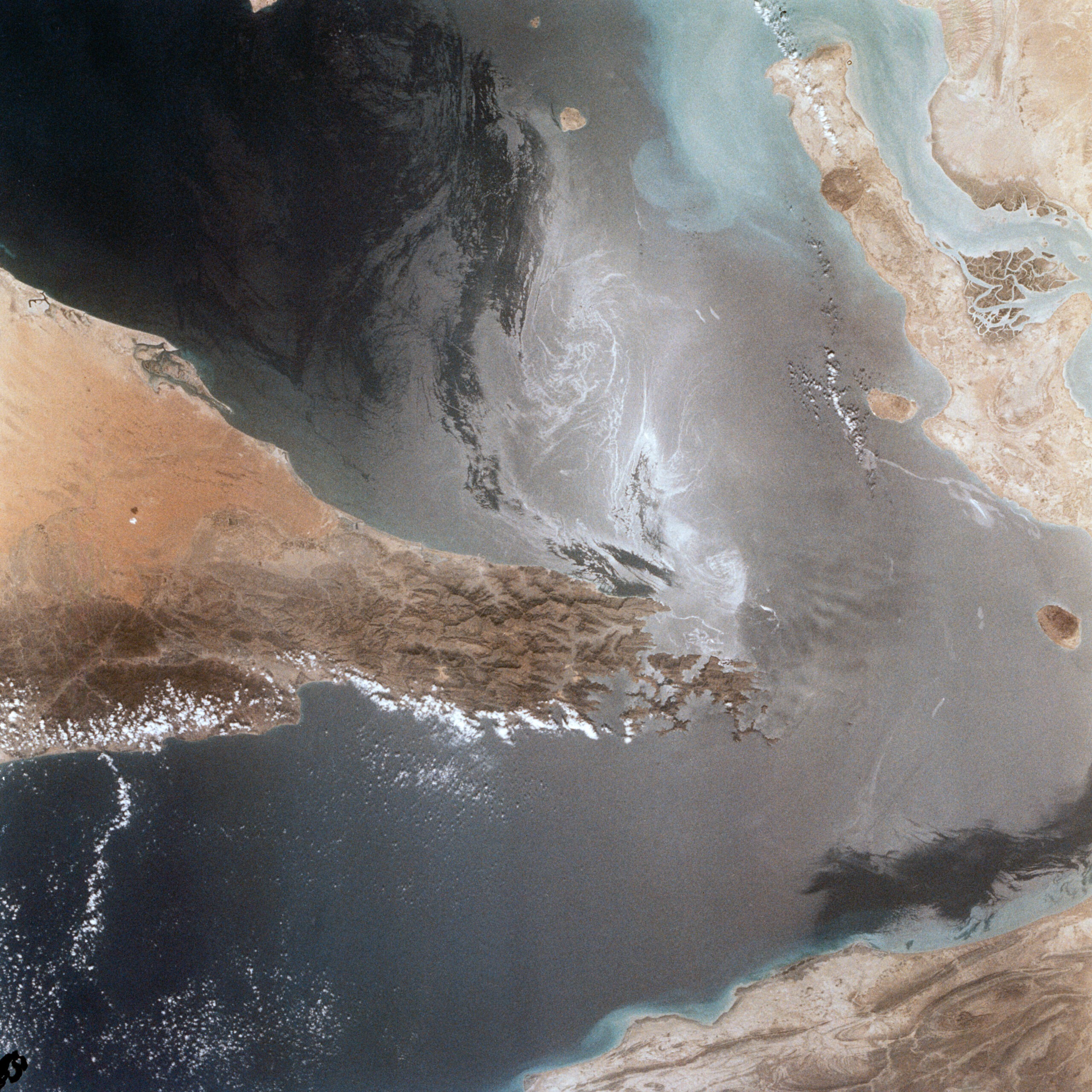
Global markets have reacted strongly this morning after the United States and Iran reached a preliminary peace agreement that is expected to reopen the Strait of Hormuz, one of the most important trade routes in the world.
The deal, announced late on Sunday and into Monday morning, has immediately reduced fears of a prolonged energy shock. Oil prices fell sharply in early trading, stock markets moved higher, and companies exposed to transport, manufacturing and energy costs were given an instant lift.
However, the reaction is not quite the same as a return to normal. The agreement still needs to be formally signed, the detailed terms have not yet been fully published, and shipping companies remain cautious about sending vessels back through the Strait until they have clearer safety assurances.
For global trade, this morning’s message is simple. The worst-case scenario may have been avoided, but the recovery in physical trade flows will take time.
Why the Strait of Hormuz matters
The Strait of Hormuz is one of the world’s most important maritime chokepoints. It links the Persian Gulf with the Arabian Sea and is central to the movement of oil, liquefied natural gas and other strategically important commodities.
Its importance goes far beyond the Middle East. A significant proportion of global seaborne oil trade passes through the Strait, while large volumes of LNG from Qatar and the UAE also depend on this route. Much of that energy is destined for Asia, although Europe is also exposed through its need for LNG and globally priced energy.
The Strait also matters for commodities beyond oil and gas. Fertiliser products, including urea and ammonia, are also heavily exposed to disruption in the region. That means a blockage or restriction does not only affect petrol, diesel and heating costs. It can also feed through into food production, manufacturing costs and inflation.
That is why today’s peace announcement has had such an immediate effect. Markets are not just reacting to diplomacy. They are reacting to the possibility that a major artery of global trade may begin to function again.
Oil prices fall as the risk premium unwinds
The clearest market reaction this morning has been in oil.
Crude prices fell by more than 4% as traders reduced the geopolitical risk premium that had been built into the market during the conflict. Brent crude moved back towards the low $80s per barrel, reaching levels not seen for several months.
This matters because oil prices feed into almost every part of the economy. Lower oil reduces pressure on road fuel, aviation fuel, shipping costs, manufacturing, chemicals and logistics. It can also reduce inflation expectations, which in turn affects interest rate decisions.
For businesses, especially those with tight margins or heavy transport exposure, lower oil is a welcome development. Airlines, haulage companies, retailers, manufacturers and importers all stand to benefit if energy prices continue to ease.
However, oil markets are likely to remain volatile. The deal reduces the immediate fear of a sustained blockade, but it does not instantly restore normal flows. The market will now be watching how quickly tankers can move, whether insurers are comfortable, and whether Gulf exports can return to pre-conflict levels.
Stock markets welcome the deal
Equity markets also reacted positively.
European shares were set to open higher this morning, with futures pointing to a broad rally. The reason is straightforward. Lower energy prices reduce pressure on company costs and consumer spending. They also reduce the risk that central banks will be forced into more aggressive interest rate rises to control inflation.
The biggest beneficiaries are likely to be companies most exposed to energy and transport costs. Airlines, travel businesses, car manufacturers, logistics firms and consumer-facing companies could all gain from lower fuel and input costs.
Energy stocks, by contrast, may come under pressure if oil continues to fall. The same event that helps fuel users can hurt producers, especially those whose earnings are linked closely to crude prices.
This is a classic example of how geopolitical risk moves through the economy. Peace is generally positive for markets, but the effects are not evenly spread. Some sectors gain from lower costs. Others lose from lower commodity prices.
Shipping is still cautious
Despite the market optimism, the physical shipping market is moving more carefully.
One LNG tanker, the Disha, was reported to have passed through the Strait after the deal was announced, but that remains an isolated early movement rather than evidence of a full reopening. Shipping companies are waiting for more detail on the agreement, particularly around safety, navigation rights and possible mine clearance.
This caution is important. Financial markets can reprice risk in minutes. Ships, insurers and charterers cannot.
A tanker operator needs confidence that the route is safe. Insurers need to understand whether war-risk premiums can be reduced. Cargo owners need certainty over delivery times. Ports and terminals need to know that traffic will resume in an orderly way.
Until those questions are answered, trade will not normalise overnight. Freight rates may remain elevated, and some vessels may continue to wait outside the area until there is clearer evidence that the route is genuinely safe.
The inflation effect
One of the most important wider effects of the deal is the potential easing of inflation pressure.
Energy prices are a direct cost for households and businesses, but they are also an indirect cost through transport, food, packaging, manufacturing and distribution. When oil and gas prices rise sharply, inflation can spread quickly through supply chains.
The fall in oil this morning should therefore be welcomed by central banks. It does not solve inflation on its own, but it reduces one major source of upward pressure.
That matters at a time when interest rate expectations remain sensitive. If energy prices stabilise, central banks may feel less pressure to tighten policy further. This would support businesses, consumers and investment, particularly in economies already dealing with weak growth and high borrowing costs.
The currency markets are already reflecting this shift in sentiment. The dollar weakened as investors moved away from safe-haven positioning and back towards risk assets. Sterling and the euro strengthened, supported by the view that the deal reduces global financial stress.
What it means for global trade
For global trade, the peace deal is significant for four reasons.
First, it reduces the risk of a major energy supply shock. That is the most immediate benefit. If the Strait reopens successfully, oil and gas flows can begin moving more normally, reducing pressure on prices and supply chains.
Second, it improves business confidence. Companies making decisions about shipping routes, inventory levels, pricing and production schedules now have a more hopeful outlook than they did last week.
Third, it could reduce costs across transport and manufacturing. Lower fuel prices take pressure off global logistics and can help reduce the cost of moving goods.
Fourth, it may ease inflation and interest rate expectations. That could support consumer demand and investment, particularly in Europe and Asia.
But there is also a clear warning. Markets are reacting to the expectation of reopening, not yet to a fully normalised trade route. The agreement is preliminary, the detail still matters, and shipping confidence will need to be rebuilt.
A strategic moment for business
For business leaders, this morning’s events are a reminder that geopolitical risk is not abstract. It affects fuel costs, shipping times, working capital, pricing, contracts, insurance and customer demand.
Companies that rely on global supply chains should not treat the deal as a reason to forget the risk. Instead, it should be used as an opportunity to review exposure.
The key questions are practical. Where are the weak points in the supply chain? Which commodities or components are exposed to chokepoints? How quickly would costs rise if the route closed again? Are contracts flexible enough to deal with freight or fuel spikes? Is there a clear plan for alternative sourcing?
The businesses that cope best with global disruption are usually not the ones that predict every event correctly. They are the ones that understand their exposure and have options available.
The immediate outlook
The global trade outlook this morning is more positive than it was at the end of last week.
Oil is lower, markets are stronger, and the prospect of reopening the Strait of Hormuz has reduced one of the biggest immediate threats to the global economy.
However, this is not yet a clean return to normal. The formal signing is still expected later this week, the detail of the agreement remains important, and shipping companies are likely to remain cautious until there is clear evidence that the Strait is safe and open for regular traffic.
The market reaction is therefore best understood as relief, not resolution.
The peace deal has changed the mood. It has reduced the immediate danger of a deeper energy crisis. It has helped global markets start the week on a stronger footing. It has given businesses hope that supply chains can begin to stabilise.
But the next test will come not from the announcement itself, but from what happens on the water. If vessels begin moving safely and consistently through the Strait of Hormuz, this deal could mark a major turning point for global trade.