Thames Water is moving closer to special administration after the government raised serious concerns over a proposed £10bn creditor-led rescue package for Britain’s largest water company.
The company, which serves about 16 million customers across London and the Thames Valley, has been struggling with heavy debt, weak financial resilience, pollution failures and the need for major infrastructure investment. Its future now appears increasingly dependent on whether ministers, Ofwat and creditors can agree a restructuring that protects customers, the environment and public finances.
The latest development follows comments from Environment Secretary Emma Reynolds, who said the proposed rescue plan does not appear to do enough to protect consumers or the environment. Although the government has not formally placed the company into special administration, the political and regulatory mood appears to be shifting.
The Guardian’s Nils Pratley argues that special administration now looks like the best available option. That view is not universally shared, but the case for state intervention has strengthened as questions grow over the cost, fairness and credibility of the proposed private rescue.
What is being proposed?
The creditor-backed plan is being led by the London & Valley Water consortium, which includes major investors seeking to take control of Thames Water.
Thames Water has said the proposal would provide £3.35bn of new equity and up to £6.55bn of new debt. The company argues that this would fund a performance improvement and turnaround plan for the 2025 to 2030 regulatory period.
Supporters of the plan say a market-led solution would allow the company to continue investing, avoid immediate taxpayer involvement and reduce the disruption that could come with a formal state-backed restructuring.
However, critics argue that the proposal asks too much of customers and regulators while giving too much protection to creditors. Reports have suggested the deal could involve significant fees, repayments and concessions. The Guardian and Reuters have also reported concerns that it could delay infrastructure and environmental improvements while reducing performance standards.
That has put the plan under intense scrutiny.
Why the government is concerned
The government’s objection appears to centre on three issues: customers, environmental performance and accountability.
Customers are already facing higher bills after Ofwat’s price review for the 2025 to 2030 period. Any rescue plan that adds further cost or weakens service commitments is politically difficult, particularly given public anger over sewage spills, leaks and executive rewards in the water sector.
Environmental performance is also central. Thames Water has faced repeated criticism over sewage discharges, leaks and wastewater failures. Ofwat fined the company nearly £123m in 2025 after investigations into wastewater operations and dividend breaches. The regulator said those penalties would be paid by the company and investors, not customers.
If a creditor rescue requires regulatory leniency, delayed targets or reduced penalties, ministers risk being accused of allowing investors to avoid consequences for past failures.
The third issue is accountability. Thames Water’s crisis has become a symbol of wider concern about England’s privatised water model. The company has taken on large debts, struggled operationally and required repeated rescue talks. A deal that simply shifts ownership from shareholders to creditors may not satisfy those calling for deeper reform.
What special administration would mean
Special administration is not the same as ordinary company administration.
Water companies provide essential public services, so they cannot simply stop operating if they become insolvent. A special administration regime allows the government to apply for a court-appointed special administrator to keep services running while the company is stabilised, restructured or transferred to new owners.
For customers, the immediate aim would be continuity. Taps would keep running, wastewater services would continue, and the company’s operations would be managed under a special process designed to protect public service delivery.
For taxpayers, the risk is financial exposure. The government may need to provide funding during the process, although it would aim to recover money through restructuring, sale proceeds or future arrangements.
For creditors and investors, special administration could be painful. Losses may be imposed, existing ownership could be wiped out, and debt could be restructured more aggressively than under a negotiated private rescue.
That is why creditors argue that a market-led deal may be better. It could reduce the need for government funding and provide a quicker route to stability. But that argument depends on whether the deal is acceptable to ministers, Ofwat and the public.
A company under pressure for years
Thames Water’s financial problems are not new.
The company has been under pressure since at least 2023, when concerns over its debt burden and ability to attract new equity became increasingly public. Previous shareholders later judged the business to be uninvestable and wrote down the value of their stakes.
Thames Water’s 2024 to 2025 annual report showed senior gearing of 84.4%, well above the level normally associated with financial resilience in the regulated water sector. The company also reported liquidity of £1.7bn and investment in assets of £2.2bn, while acknowledging the scale of its debt and turnaround challenge.
The company has argued that it is investing heavily to improve performance. In its half-year results for 2025 to 2026, Thames Water said it had invested £1.26bn in capital projects, up 22% year on year, with spending focused on leaks, pollution and water quality.
That investment is important, but it has not removed the underlying financial problem. Thames Water still needs a long-term recapitalisation, and without one it risks running out of money.
The wider water-sector problem
The Thames Water crisis sits within a broader debate over the water industry.
Public trust in water companies has been damaged by sewage spills, dividend payments, rising bills, debt levels and perceived regulatory weakness. The government has already signalled wider reform of the sector, including changes to regulation following the Independent Water Commission’s recommendations.
Ofwat’s own financial resilience monitoring has highlighted pressure across parts of the sector, although Thames Water remains the most prominent case because of its size, debt and operational problems.
This makes the decision over Thames Water politically significant. If ministers accept a creditor rescue seen as too generous, they may face criticism for protecting financial investors. If they trigger special administration, they risk taking on public financial exposure and sending a tougher signal to infrastructure investors.
Either option carries consequences.
Investors will watch closely
The outcome will matter beyond Thames Water.
Infrastructure investors are watching how the UK handles a failing regulated utility. The government needs to show that essential services will be protected, but also that investors cannot assume customers or taxpayers will absorb the consequences of excessive leverage or poor performance.
A hard restructuring could worry investors in regulated assets if it is seen as political intervention. But a weak rescue deal could damage public confidence and undermine the credibility of regulation.
The balanced position is that Thames Water may be an exceptional case. Its debt burden, scale and performance record make it different from many other regulated utilities. But the precedent still matters.
The UK wants long-term private investment in energy, water, transport and digital infrastructure. To attract that capital, investors need predictable rules. Customers also need confidence that regulation will protect them from paying for financial engineering and operational failure.
What happens next?
Ofwat is still assessing the creditor proposal. The government has made clear that any deal must meet a high bar. If the company cannot secure a viable market-led recapitalisation, special administration becomes more likely.
A key question is timing. Thames Water has repeatedly used emergency funding and restructuring talks to buy time, but the window for a durable solution is narrowing. If the company’s liquidity weakens further, ministers may be forced to act quickly.
Customers should not see their water supply interrupted. The purpose of special administration is precisely to ensure continuity of essential services. The bigger questions are who pays, who takes losses, how quickly investment can continue, and what ownership structure emerges afterwards.
A turning point for privatised water?
Thames Water has become more than a company-specific financial crisis. It is now a test of the water industry’s credibility.
A successful private rescue would need to prove that new money, tougher oversight and a credible turnaround plan can deliver better service without excessive cost to customers. Special administration would signal that the current ownership and creditor-led route has failed.
The government still says it prefers a market-led solution where possible. But its recent criticism of the creditor plan suggests patience is running out.
For customers, the priority is simple: reliable water services, cleaner rivers, fewer leaks and fair bills. For investors, the priority is clarity on losses, regulation and future returns. For government, the priority is avoiding both service failure and a politically toxic bailout.
That combination makes Thames Water one of the most important business and infrastructure stories in the UK.
Special administration is not risk-free. But as the rescue talks drag on, it is increasingly being seen not as a last resort to avoid at all costs, but as a practical route to impose discipline, protect customers and reset one of Britain’s most troubled utilities.
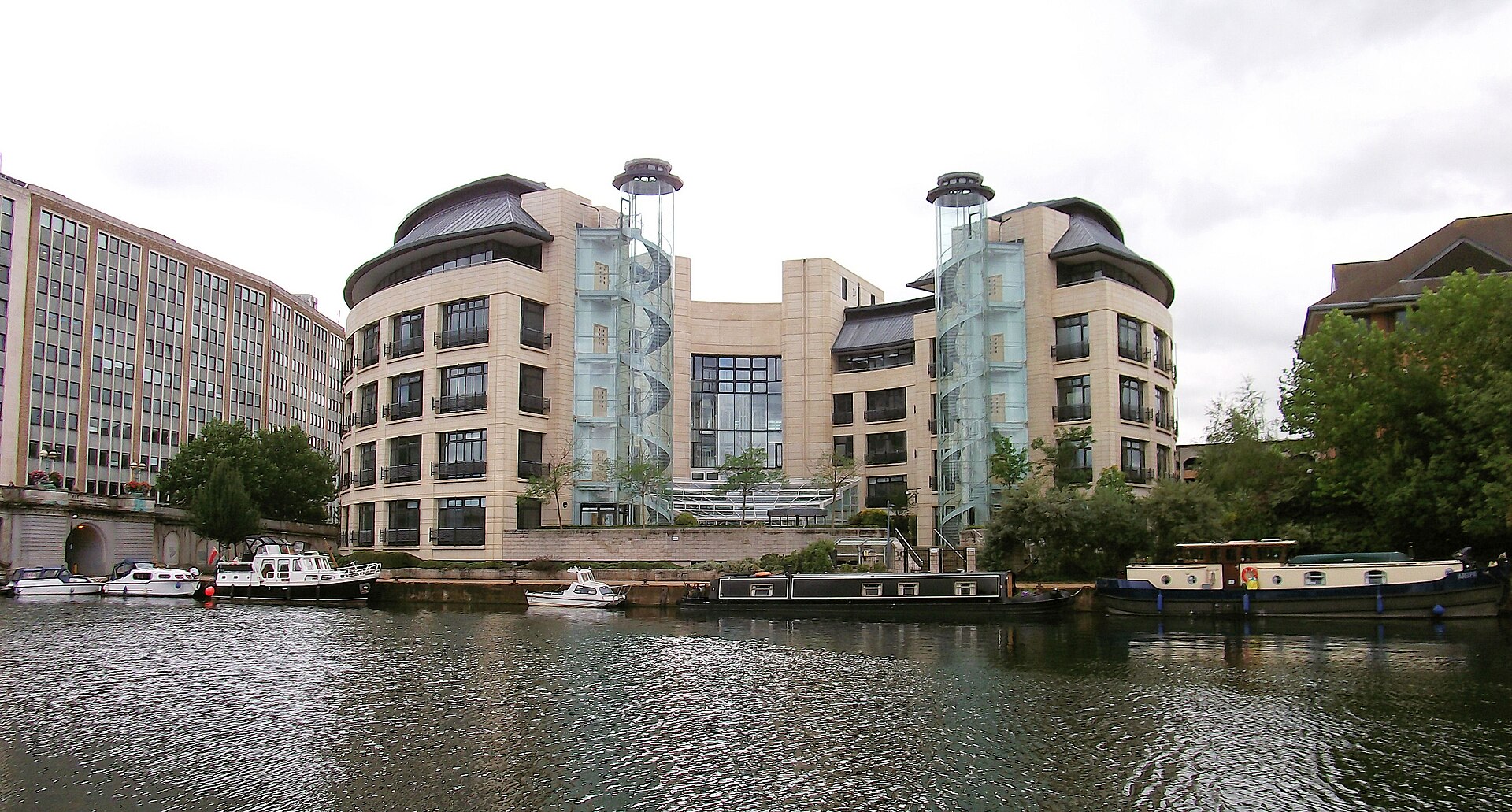
Image: Jim Linwood, Wikimedia Commons, CC BY 2.0.